Stage 2 Remap Explained: What It Actually Involves and Whether Your Car Is Ready
The Stage 2 remap gets talked about a lot in car forums and comment sections, usually attached to a big power figure and not much else. What rarely gets explained properly is what actually has to happen to a car before that figure means anything — and what happens to a car that gets the software without the groundwork.
This guide goes through Stage 2 remapping properly: what it changes, what hardware it depends on, how it differs mechanically from Stage 1, the genuine risks when it's done on the wrong car, and how to work out honestly whether your own car is ready for it.
What a Stage 2 remap actually is
A Stage 2 remap is an ECU recalibration that increases boost pressure, fuelling, and torque beyond the point the car's standard components were designed to handle for sustained periods. Unlike Stage 1, which works entirely within factory tolerances, Stage 2 assumes the car has already had specific supporting modifications fitted. The software and the hardware are designed to work together — one without the other isn't a complete Stage 2 package, it's an unfinished one.
This is the single most misunderstood part of Stage 2 tuning. The "stage" doesn't refer purely to a level of aggression in the software. It refers to a combination: a defined set of hardware changes, paired with a calibration written specifically to make use of them safely.
What changes mechanically between a Stage 1 and Stage 2 remap
At Stage 1, boost pressure is raised toward the turbocharger's genuine operating limit, and torque limiters that were set conservatively for a global market are relaxed. All of this stays inside the tolerance the manufacturer built into the standard parts.
At Stage 2, boost pressure moves beyond that original tolerance. The turbocharger is being asked to produce meaningfully more pressure, the engine is burning more fuel per cycle, and the exhaust system is moving a larger volume of hot gas. None of the standard components were sized with this output in mind, which is exactly why the supporting hardware exists — it's not an upgrade for its own sake, it's what makes the increased output survivable over normal driving conditions rather than just a single dyno pull.
- Type
- Software-only recalibration
- Boost pressure
- Raised toward the turbo's genuine operating limit
- Tolerance
- Stays inside factory tolerance of standard parts
- Fuel & exhaust
- Conservative torque limiters relaxed
- Hardware
- Standard components
The hardware a Stage 2 remap actually requires
The specific list varies by platform and by how far into Stage 2 territory the tune is pushed, but a genuine Stage 2 package typically includes the following.
Upgraded intercooler
An upgraded intercooler is usually the first requirement, since higher boost means hotter compressed air entering the engine. A larger, more efficient intercooler keeps intake air temperatures down, which protects against knock and keeps the extra power consistent rather than tailing off as the engine heats up.
Freer-flowing exhaust or downpipe
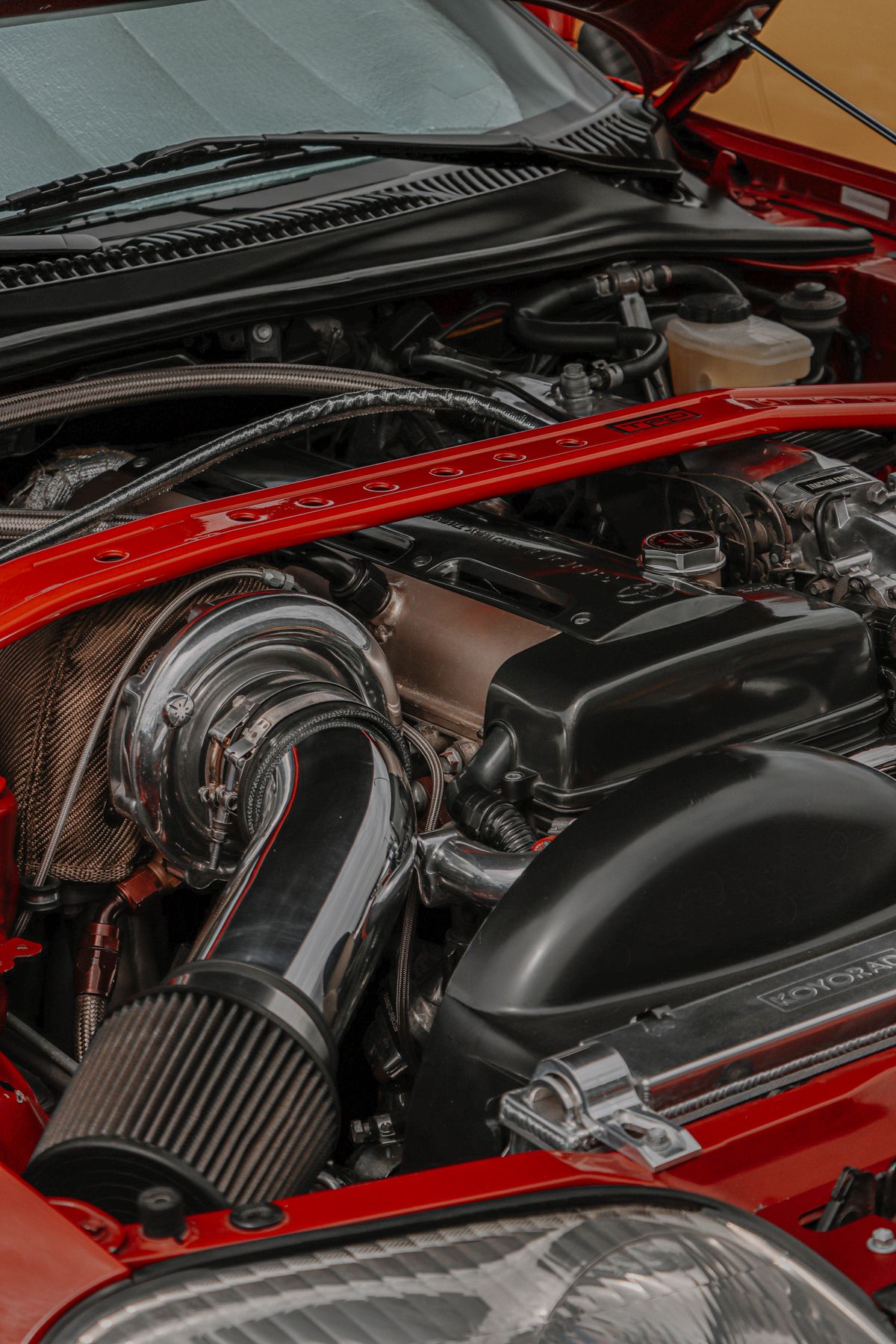
A freer-flowing exhaust or downpipe reduces backpressure, letting the turbo spool and expel gases more efficiently. A restrictive factory downpipe fights against the turbo on every gear change, which becomes a much bigger limitation once boost levels rise.
Upgraded air intake
An upgraded air intake is often needed to feed the turbo enough air to make use of the higher boost levels, particularly on cars where the factory intake was already close to its limit at standard output.
Uprated injectors or fuel pump
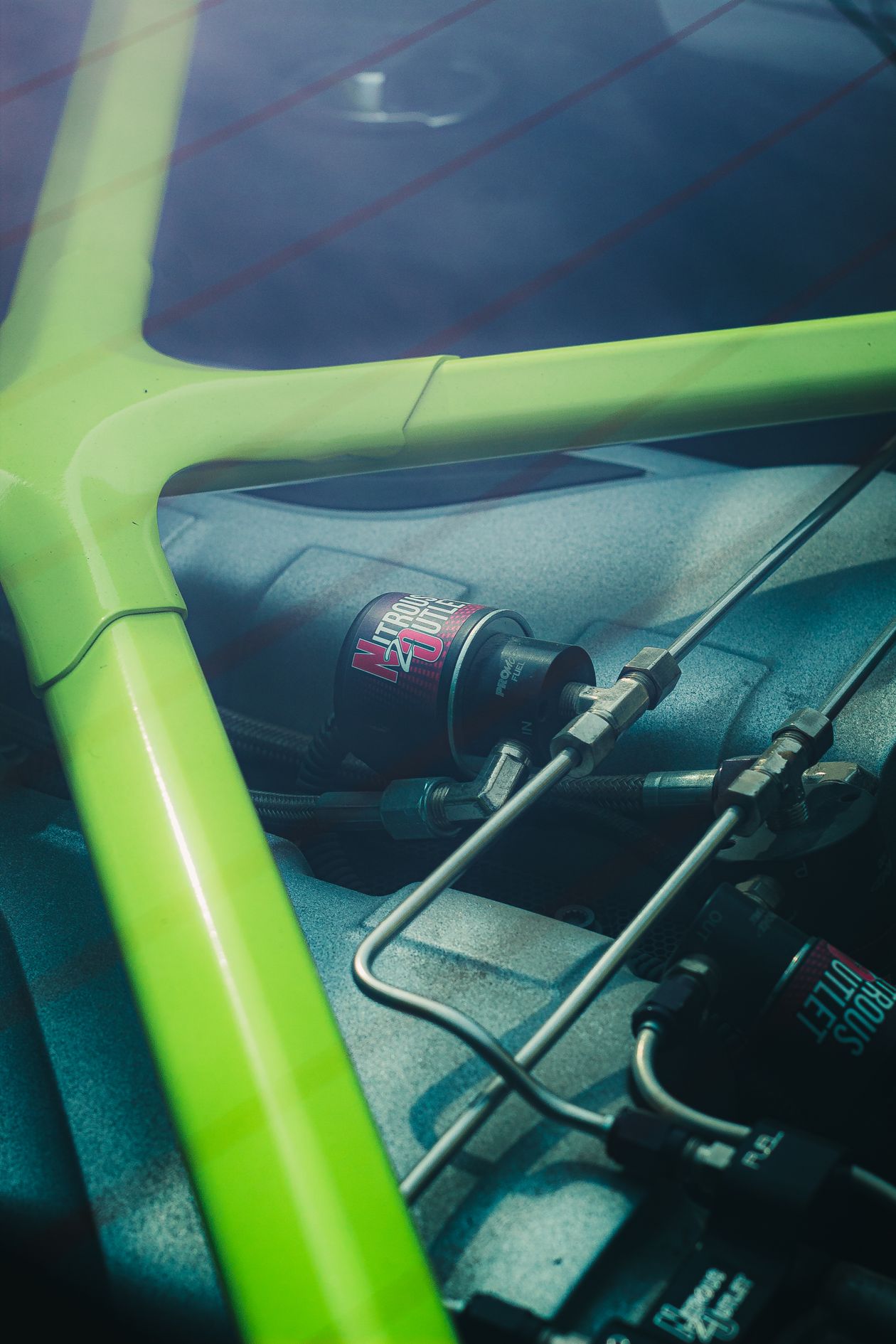
On higher-output Stage 2 builds, uprated fuel injectors or an uprated fuel pump may also be required, since the standard fuelling system has a ceiling of its own. Pushing past that ceiling without addressing it means the engine runs lean under load — a condition that causes real damage far faster than most drivers expect.
Why skipping the hardware is the biggest Stage 2 remap mistake
The most common problem with Stage 2 remapping isn't the calibration itself — reputable tuners write good files. It's drivers, or less careful workshops, applying Stage 2-level software to a car that's still running standard supporting components, usually because the bigger number is tempting and the hardware costs feel like an unnecessary extra step.
The consequences don't show up on a dyno run, which lasts seconds. They show up on a warm afternoon motorway climb, in traffic with the air conditioning on, or during a spirited drive that lasts more than a couple of minutes. Intake air temperatures climb because the stock intercooler can't keep up. Exhaust gas temperatures rise because the stock downpipe is restricting flow. The engine, tuned to expect the cooling and flow capacity that was never actually fitted, is now operating outside the conditions the calibration assumed. Over time, this is how turbos fail early, how head gaskets get pushed past their limit, and how an otherwise healthy engine develops problems that have nothing to do with age or mileage.
A warm motorway climb, Stage 2 software
Illustrative comparison, not measured data
Is your car a good candidate for a Stage 2 remap?
A Stage 2 remap isn't right for every car, and it isn't meant to be. It suits a fairly specific profile of vehicle and owner.
A strong candidate typically has the supporting hardware already fitted, or budgeted for as part of the same project, rather than planning to add it later. It has a documented service history with no gaps, since Stage 2 output puts more demand on components like the clutch, gearbox mounts, and drivetrain that a neglected service schedule may have already weakened. It tends to have comparatively low mileage, since a tired turbo or an intercooler with years of unnoticed wear isn't a safe platform to build additional output onto. And it's usually a car that sees track use, spirited driving, or is part of an ongoing performance build — not a daily commuter doing the school run and a weekly supermarket trip.
Tick each statement that honestly describes your car.
If your car doesn't fit that picture, that's not a failure on your part — it simply means Stage 1 is very likely to give you a better, safer, more usable result for how the car is actually driven.
What a Stage 2 remap feels like to drive
Assuming the supporting hardware is correctly fitted and the calibration is well written, the difference from Stage 1 is substantial rather than incremental.
Throttle response sharpens further, the mid-range pulls with noticeably more urgency, and the car feels like it's operating on a different level of output rather than a refined version of what it had before.
This is also where driving style matters more than at Stage 1. A Stage 2 car driven gently most of the time, with occasional spirited use, tends to age well and deliver exactly what the owner wanted. A Stage 2 car driven hard constantly, without matching attention to servicing and component wear, will show that strain sooner — not because the tune is wrong, but because more output always means more demand on everything downstream of the engine.
Does a Stage 2 remap affect insurance more than Stage 1?
Generally, yes. Insurers assess Stage 2 as a more significant modification than Stage 1, for reasonable reasons: it involves a bigger jump in output, physical hardware changes as well as software, and typically a bigger deviation from the car's original factory specification. This usually means a larger premium adjustment than a documented Stage 1 remap on the same platform.
The same rules that apply to Stage 1 apply here, just with more weight behind them. For the full picture, see our ECU remap insurance and MOT guide.
- Remap
- Stage 2, custom calibration
- Intercooler
- Upgraded
- Downpipe / exhaust
- Freer-flowing
- Air intake
- Upgraded
- Data log
- Reviewed after tune
The modification must be declared. The AA explains how car modifications affect your insurance.
Keeping proper documentation — an invoice or certificate detailing exactly which hardware was fitted and what the remap involved — matters even more at Stage 2, since it's a more substantial change for an insurer to assess accurately.
Contacting your insurer before the work is done, rather than after, remains the safest way to avoid any gap in genuine cover.
Common Stage 2 remap problems and what causes them
Most of the issues associated with Stage 2 remapping trace back to one of a small number of root causes, and it's worth naming them directly.
Generic files
Generic files applied without accounting for the specific hardware fitted to that car are a frequent cause of problems, since a file written for one combination of intercooler, downpipe, and intake doesn't necessarily suit a slightly different setup on paper-similar hardware.
Skipping the hardware
Skipping the supporting hardware entirely, as covered above, is the single biggest cause of Stage 2-related engine wear and failure.
Inadequate fuelling
Inadequate fuelling for the power level being targeted causes a lean condition under load, which raises combustion temperatures and can damage pistons and valves over time — this is more a fuelling and calibration issue than an inherent risk of Stage 2 itself.
No data logging
Skipping data logging after the tune means problems that would otherwise be caught early — rising exhaust gas temperatures, boost creeping past target, fuel trims drifting — go unnoticed until they've already caused wear.
Every one of these is avoidable with the right process: proper hardware fitted first, a calibration written for that specific combination, and a post-tune data log review to confirm everything is behaving as intended.
The right order of operations for a proper Stage 2 remap
A genuine Stage 2 project, done properly, follows a specific sequence rather than jumping straight to the remap.
Diagnose and assess
It starts with a full diagnostic check and an honest assessment of the car's current condition — service history, existing wear, and whether the drivetrain is a good match for the intended output.
Fit and verify hardware
Supporting hardware is then fitted and verified before any Stage 2 software goes anywhere near the ECU.
Write the calibration
The remap itself is written for that specific combination of engine and hardware, not pulled from a generic file library.
Log the data
The process finishes with a data log review on the road or on a dyno, confirming boost, fuelling, and exhaust gas temperatures are all sitting where they should be under real load.
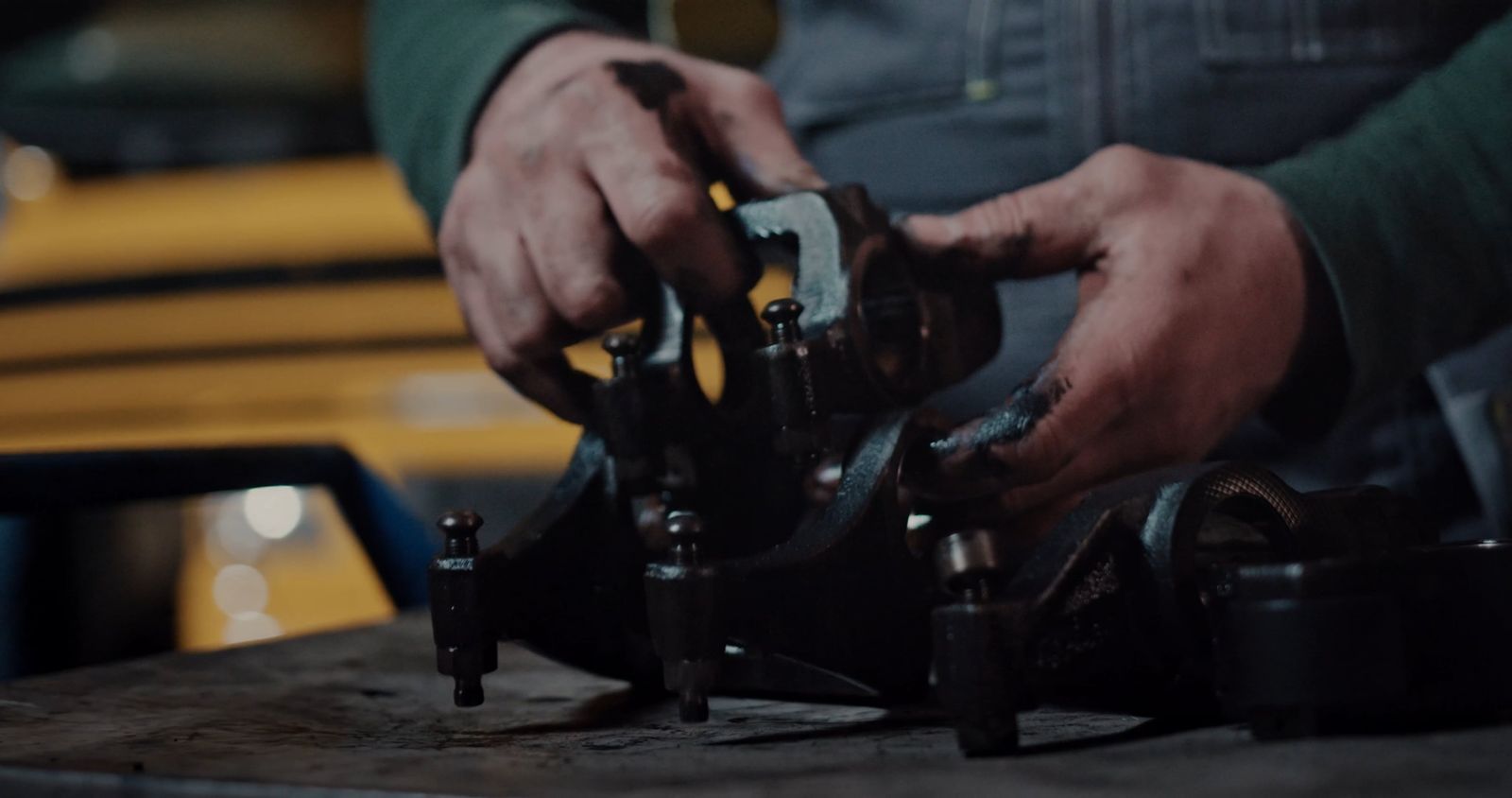
Skipping any one of these steps is how a Stage 2 remap goes from a genuine upgrade to a source of ongoing problems.
How to choose a tuner for a Stage 2 remap
Not every workshop that offers Stage 2 on paper is set up to do it properly, and the difference matters far more here than it does for a straightforward Stage 1 tune.
A tuner worth using for Stage 2 work will insist on a proper pre-tune inspection rather than simply booking the car in for a remap on request. They'll ask about your service history, current mileage, and what hardware — if any — is already fitted, rather than assuming the platform alone tells them everything they need to know. They'll write the calibration for your specific combination of hardware rather than loading a generic file that was written for a different setup on the same model. And critically, they'll want to log data after the tune — boost, fuelling, exhaust gas temperatures — to confirm the car is actually running the way the calibration intended, rather than handing back the keys and hoping for the best.
Green flags
- Insists on a proper pre-tune inspection
- Asks about service history, mileage and fitted hardware
- Writes the calibration for your combination of hardware
- Logs boost, fuelling and exhaust gas temperatures after the tune
Warning signs
- Says "yes, we can do Stage 2" without asking questions
- Books the remap on request, with no inspection
- Loads a generic file written for a different setup
- Hands back the keys without logging any data
A tuner who skips straight to "yes, we can do Stage 2" without asking any of these questions is a warning sign, not a time-saver. The extra time spent on inspection and data logging is exactly what separates a Stage 2 remap that lasts from one that causes problems within months.
Real-world driving scenarios: where a Stage 2 remap shows its value — and its limits
Context matters more at Stage 2 than at any other stage of tuning, and it's easier to see why with a couple of realistic examples.

The track-day driver
A driver who tracks their car three or four times a year, has already fitted a bigger intercooler and a sports exhaust for the sound and the flow benefits, and services the car meticulously between track days is about as strong a Stage 2 candidate as exists. The hardware is already proven, the car sees hard use in a controlled environment where data can be reviewed afterward, and the owner has every incentive to keep on top of maintenance. For this driver, Stage 2 is a natural extension of a build they were already committed to.
The daily commuter
Compare that with a driver who commutes fifty miles a day in traffic, has never opened the bonnet beyond checking oil level, and wants Stage 2 purely because a forum post quoted an impressive power figure for the same model. The car has no supporting hardware, an average service history, and will spend the vast majority of its life in exactly the stop-start conditions where a stressed cooling system and an under-specified fuelling setup are least able to cope. For this driver, the same Stage 2 file that suits the track car above is a mismatch — not because the software is wrong, but because the car and the way it's used were never part of the equation the tune was designed for.
The lesson from both examples is the same: Stage 2 isn't rated by model or engine code alone. It's rated by the combination of hardware, condition, and how the car is actually going to be driven day to day. Still weighing it up? Read our Stage 1 vs Stage 2 remap comparison.
Stage 2 remap: frequently asked questions
What's the actual difference between Stage 1 and Stage 2?
Stage 1 is a software-only recalibration that works within the tolerance of the car's standard hardware. Stage 2 pushes output beyond that tolerance and requires supporting hardware — typically an upgraded intercooler, exhaust or downpipe, and sometimes intake and fuelling upgrades — to handle the increase safely.
Can I do Stage 2 without changing any hardware?
Not safely. A Stage 2 calibration assumes the supporting hardware is in place. Applying Stage 2 software to standard components means asking the intercooler, exhaust, and fuelling system to cope with loads they weren't designed for, which increases the risk of overheating and mechanical wear.
Is Stage 2 worth it on a high-mileage daily driver?
Usually not. Stage 2 suits cars with a strong service history, comparatively low mileage, and an owner planning spirited or track driving. On a tired, high-mileage commuter car, Stage 1 typically delivers a better, more reliable result.
Does Stage 2 shorten the life of an engine?
Not when it's done correctly, with the right hardware and on a mechanically sound car. Problems arise when Stage 2 output is applied without the supporting components needed to manage the extra heat and load safely.
How much more does Stage 2 typically cost to insure than Stage 1?
It varies by insurer and platform, but Stage 2 is generally treated as a more significant modification than Stage 1 and tends to see a larger premium adjustment. Getting a quote before booking the work avoids any surprises.
Can I revert a Stage 2 remap back to standard?
The software can be reverted to the factory file at any point. The physical hardware changes don't need to be removed, though they'll simply be underused if the car is running Stage 1 or factory software afterward.
What maintenance does a Stage 2 car need that a standard car doesn't?
Closer attention to oil condition and change intervals, more regular checks on turbo health, and awareness that clutch wear can accelerate on manual cars if the extra torque is used aggressively. None of this is excessive — it's simply what comes with genuinely higher sustained output.
How do I know if my car's hardware is actually ready for Stage 2?
A proper pre-remap inspection should assess the condition of the turbo, intercooler, and exhaust system, confirm what supporting modifications are already fitted, and review the service history before any Stage 2 file is written. This isn't something to guess at from a forum thread about the same model.
Final verdict on the Stage 2 remap
Stage 2 isn't a bigger version of Stage 1 — it's a different category of modification that depends on hardware doing its share of the work alongside the software.
Done properly, on the right car, with the right supporting components and a calibration written specifically for that combination, it's a genuine and reliable step up. Done as a shortcut — software without the hardware, or a generic file without a proper inspection — it turns what should be an upgrade into a source of expensive problems.
The question worth asking isn't whether Stage 2 exists for your platform. It's whether your specific car, with its specific mileage, service history, and hardware, is actually ready to make use of it safely. Get that honest assessment right, and Stage 2 delivers exactly what it's meant to.
Not sure if your car is ready for a Stage 2 remap?
Every platform, mileage bracket, and driving style is different, and the only way to know for certain is a proper inspection before anything is booked. If you're weighing up Stage 1 against Stage 2, or want an honest read on whether your current hardware is up to the job, get in touch for a diagnostic check and a straight answer — not just a bigger number on a page.
- Pre-tune inspection
- Calibration for your hardware
- Data-logged after the tune
Get an honest read on your car before anything is booked.