IS ECU REMAPPING WORTH IT IN 2026?
A UK driver's honest guide. Fuel duty is going up in September 2026. Running costs are already stretched. And somewhere in the back of your mind, you know your car is capable of more than it lets on. That last part isn't a feeling — it's a fact.
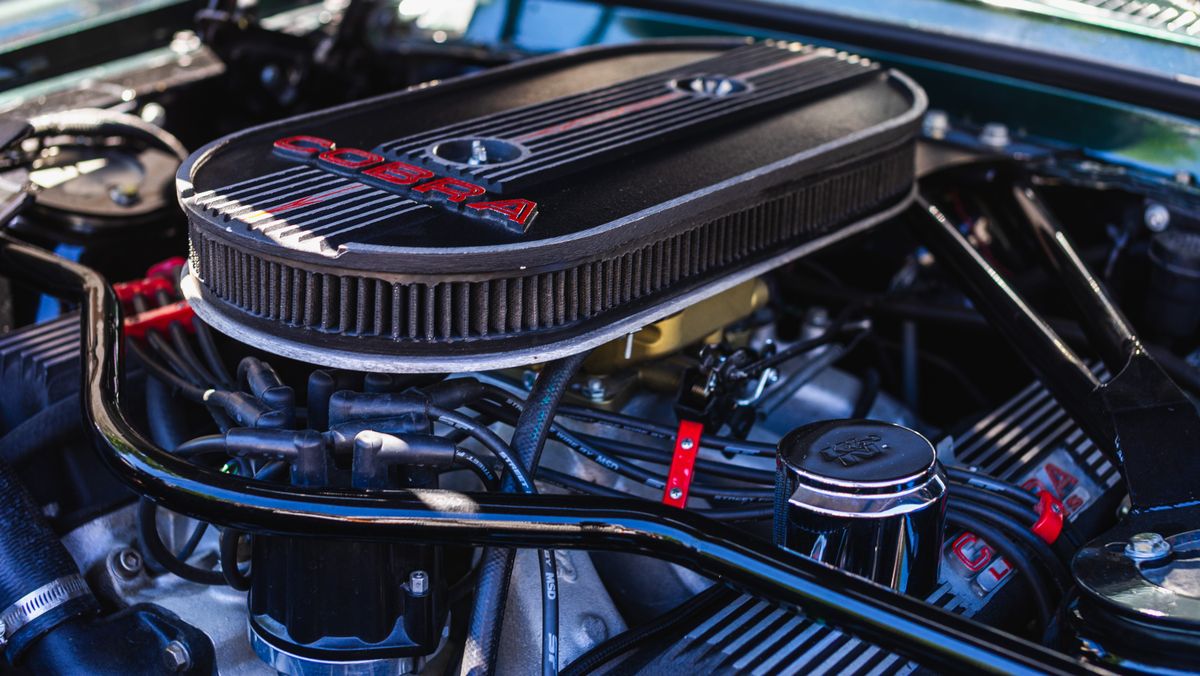
Every turbocharged engine sold in the UK today — petrol or diesel — leaves the factory deliberately restricted. Not because of mechanical limitations, but because of software ones. The manufacturer writes a conservative programme into the Engine Control Unit that accounts for the worst fuel quality in the world, the coldest winters in Russia, and the most neglected maintenance schedules imaginable. Your car on a British A-road with fresh oil and a full tank of decent diesel is nowhere near that worst case. But it's still being treated like it is.
ECU remapping changes that. It's not a physical modification. No parts are removed or replaced. A qualified tuner connects to your vehicle's software, reads the existing programme, and rewrites it with calibration values that actually suit the engine in front of them — on that day, in that condition, for roads like ours.
This guide covers everything a UK driver needs to know before making a decision in July 2026. What remapping actually does. What it doesn't. The legal position. The insurance question. And the honest answer to whether it's worth it right now — when fuel costs and running costs are both heading in the wrong direction.
At Car Tuning Service, we prioritise your engine's long-term health above all else. We'll never oversell a result we can't deliver, and we'll never remap a vehicle we don't believe is ready for it.
How ECU Remapping Actually Works — In Plain English
Your engine is controlled by an ECU — the Engine Control Unit. It's a computer that manages every aspect of how your engine runs: how much fuel is injected, when the spark fires, how hard the turbocharger is allowed to push, how quickly the throttle responds, and where the torque limits are set.
All of those parameters live inside a calibration file — what tuners call a "map." The factory map is a compromise. It has to work in Singapore in August and Norway in January. It has to cope with fuel that barely meets minimum standards in some markets. It has to survive owners who never service their cars on time. To handle all of that, manufacturers build in significant safety margins — and the result is an engine that's running well below what it's actually capable of.
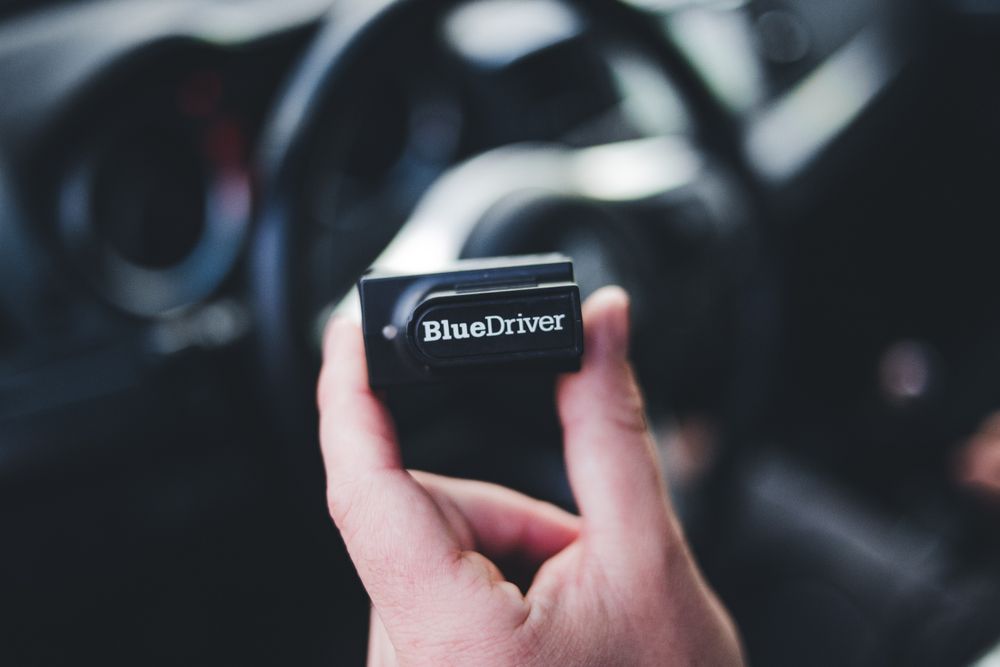
Remapping replaces that compromise with something tailored. A technician connects to the OBD port beneath your steering column, reads the existing calibration, modifies the relevant parameters — boost pressure, fuel delivery, ignition timing, torque limiters — and writes an updated programme back to the ECU. The engine starts. The software runs. And the car behaves differently immediately.
The entire process takes between one and three hours depending on the vehicle. Nothing is physically altered. And if you ever want the original file restored, a professional tuner keeps it on record.
Custom File
Built around your specific vehicle — your ECU version, your mileage, your engine's condition on the day. Every calibration written at Car Tuning Service is custom. That's not a selling point — it's the only way remapping should be done.
Generic File
A pre-written file copied from a library and applied regardless of your vehicle's real condition. The quality difference between this and a custom file is enormous — and it's the single most important distinction to understand before booking any remap.
What Changes After a Remap — And What You'll Actually Feel
Three things shift immediately: how the engine pulls, how the throttle reacts, and — if you let it — how far each tank goes.
More Power & Torque
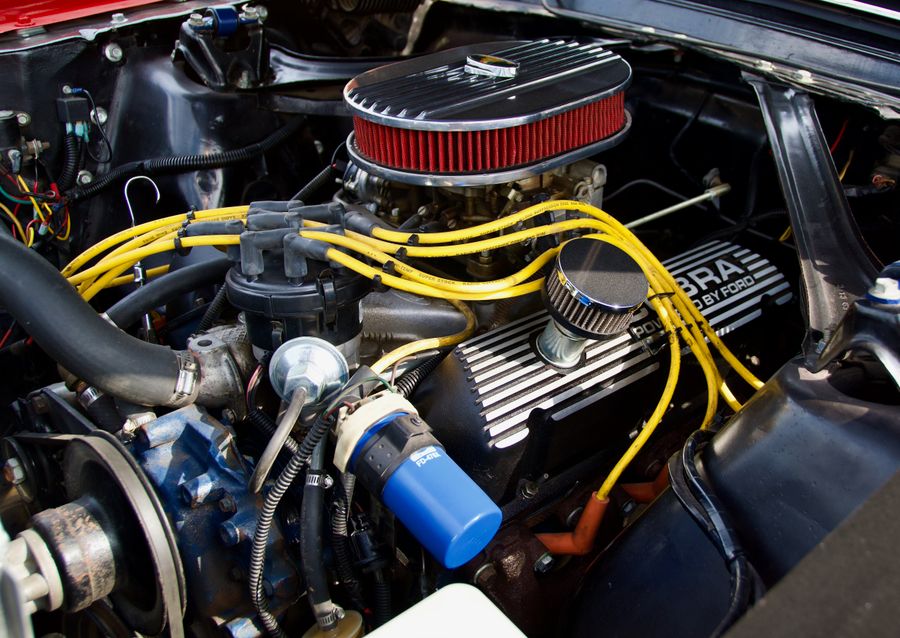
A properly executed Stage 1 remap typically delivers 20–35% more power and a significantly stronger torque curve. For diesels, gains of 20–40 bhp and 50–100 Nm are well within normal expectations. Overtaking on an A-road becomes deliberate rather than a gamble — and the mid-range pull is what most UK drivers notice first, because it's the RPM band where you spend most of your actual driving time.
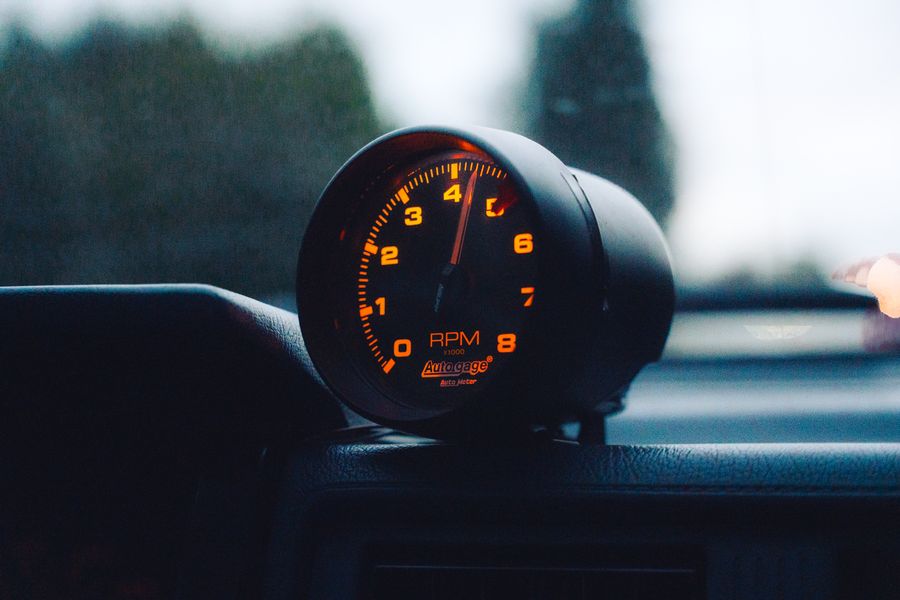
Sharper Throttle Response
Factory throttle maps are deliberately softened — there's a built-in delay between pressing the accelerator and the engine responding. After a remap, that delay closes. Joining a roundabout, pulling out with confidence, making a swift overtake — the car feels sharper, more alert, more connected to what you're asking it to do.
Genuine Fuel Economy Gains
Economy-focused remaps can improve fuel consumption by 5–15% on diesel cars, vans and agricultural machinery, by raising torque lower in the rev range so you need less throttle to do the same job. For someone covering 15,000 miles a year in a diesel van, that's several hundred pounds saved annually — but only if you drive after the remap roughly as you drove before it.
Economy Remapping: The Option Worth Asking About Specifically
Not everyone who contacts us wants more power. A growing number of UK drivers — particularly those with diesel estates, commercial vans, or high-mileage company cars — specifically want an economy remap. The goal is purely to reduce running costs, not to increase performance.
An economy calibration adjusts injection timing, fuelling quantities, and boost delivery to optimise combustion efficiency during normal driving. A well-executed economy remap can improve fuel efficiency by 5% to 15%, with the highest savings of 8–15% achieved on motorway routes and 5–10% in mixed urban and motorway driving.
With fuel duty set to rise from September 2026, this is a conversation more UK drivers are having — and it's one worth having before the increase lands.
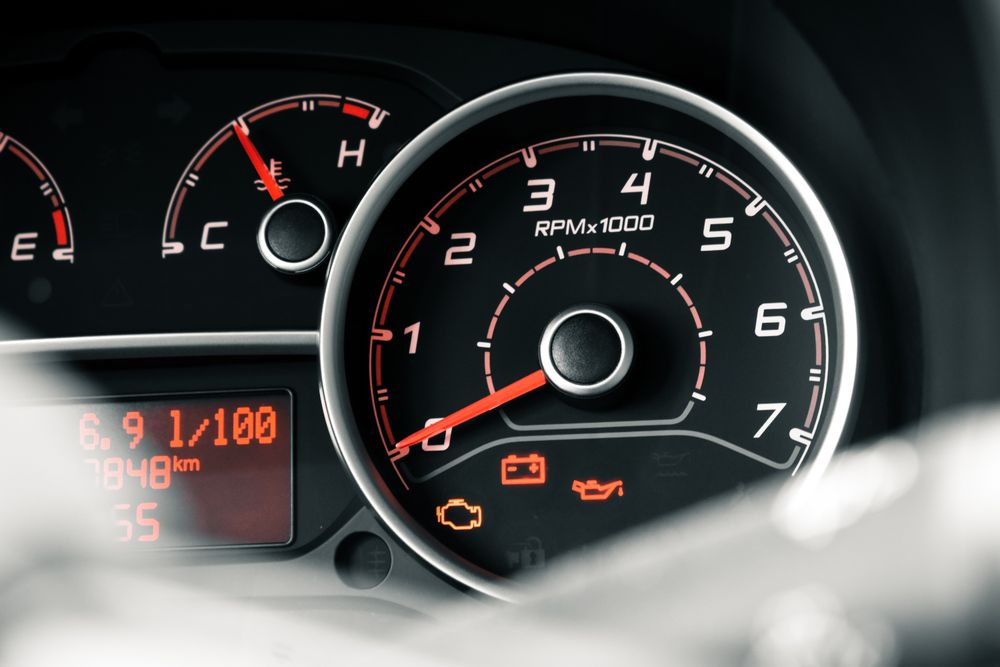
Why July 2026 Is Actually a Good Time to Think About This
Fuel duty will rise from September 2026, ending the long-standing 5p-a-litre cut. For anyone driving significant annual mileage in a diesel or turbocharged petrol, that's a meaningful additional cost landing in a few weeks.
A fuel economy remap doesn't eliminate that cost. But it offsets it. If you're covering 15,000–20,000 miles a year and seeing a 10% fuel saving, the numbers work in your favour — consistently, every month, for as long as you own the vehicle.
The tuning scene in 2026 has also matured considerably. The motivation behind vehicle tuning has shifted — moving past the days where it was solely about chasing peak horsepower. There's a clear trend towards eco-modding: optimising maps for economy, thermal efficiency, and longevity rather than just raw numbers.
The remapping industry in 2026 is defined by expanded ECU coverage and faster, safer reading methods. More vehicles can now be remapped than at any previous point, calibration tooling is more sophisticated, and the quality gap between a reputable custom tuner and a generic-file operator has never been wider — or more important to understand before booking.
Safety and Reliability: The Straight Answer
Will a remap damage your engine? No — not if it's done properly. Vehicles with degraded injectors, unresolved sensor faults, or overdue service intervals do not respond well to additional calibration demand, regardless of how accurate the file is. The tuners who build strong reputations treat the ECU remap as the final step in a disciplined process, not the shortcut to one.
At Car Tuning Service, a vehicle health check happens before we touch the ECU. Every time. Without exception. If your car has fault codes, a marginal injector, a slow boost response, or anything else that needs attention first — we'll tell you clearly, and we won't proceed until it's sorted. A remap applied to a compromised engine doesn't produce better results. It produces expensive problems.
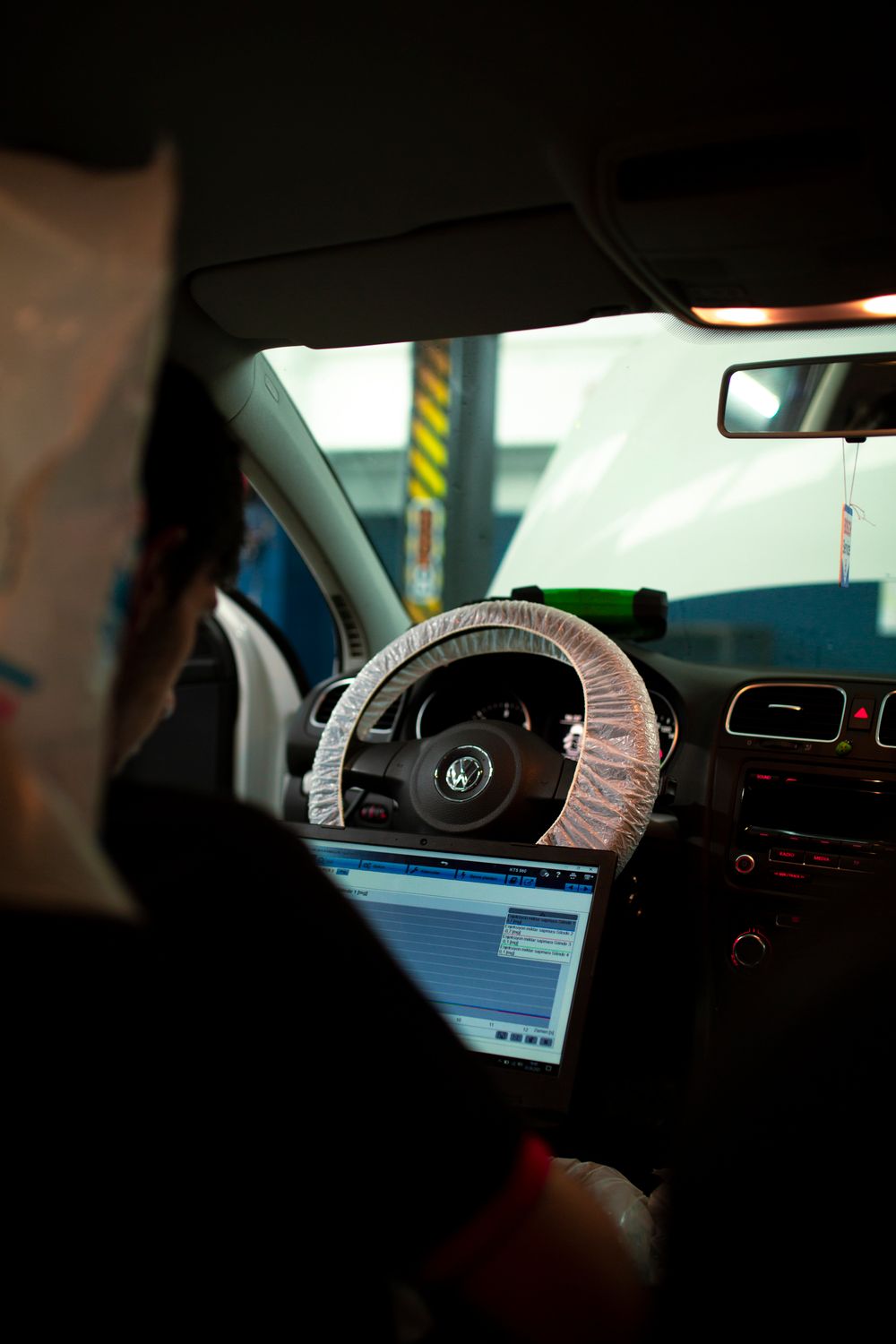
A custom file written for your specific vehicle — not a generic one downloaded from a shared library.
A pre-remap diagnostic scan that identifies any issues before calibration begins.
A technician who respects mechanical tolerances — building a calibration that's still performing reliably two years from now, not chasing an impressive number on a dyno sheet.
Only if your vehicle is still within an active manufacturer warranty and the remap is linked to a failure. For the majority of UK drivers owning vehicles over three years old, this is not a relevant concern.
On most modern vehicles, no. The remap stays in place. Confirm with us for your specific model if you're uncertain.
Yes. A professional tuner can usually return the ECU to its original factory file, often within an hour. We store your original map before any changes are made, as a matter of course.
Is ECU Remapping Legal in the UK in 2026?
Yes. ECU remapping is legal in the UK. There is no legislation that prevents the modification of a vehicle's ECU. Millions of vehicles have been remapped without any legal issues. Two obligations apply, and both sit with you as the vehicle owner.
Emissions Compliance
An ECU remap for performance or economy improvements is acceptable, but a remap involving emission delete software is illegal for use on public highways. Under the Road Vehicles (Construction and Use) Regulations 1986, vehicles found to have had emissions equipment removed can face fines and may be deemed unroadworthy. Every remap we carry out is DPF-safe — your emissions equipment stays in place, and your vehicle will pass its MOT.
Insurance Disclosure
Notifying insurers and maintaining MOT standards is down to the end user. A remap is a vehicle modification — failing to declare it is a material non-disclosure that can void your policy entirely. Some mainstream insurers add a premium; specialist insurers for modified cars are often more competitive. Call your insurer before the remap, describe it as a Stage 1 software calibration with no hardware changes, and get their position in writing — before you book, not after.
Frequently Asked Questions
Yes, when performed on a mechanically healthy vehicle using a custom calibration. The risks in remapping come almost entirely from generic files applied without a pre-remap health check, or from remapping vehicles that have pre-existing faults. At Car Tuning Service, we run a full diagnostic check before we begin. If we find anything that needs attention first, we'll tell you.
A performance remap prioritises power and torque output — more bhp, stronger mid-range pull, sharper throttle response. An economy remap prioritises fuel efficiency — earlier torque delivery at lower revs, optimised fuelling at part throttle, reduced consumption during steady driving. Both are custom calibrations. Which is right for you depends on what you actually want from the car. Many drivers ask for a balanced map — improved responsiveness with economy gains during normal driving.
Yes, particularly if you cover significant annual mileage in a diesel. You stand to improve fuel economy by 8–15% with a well-executed economy remap. If you're driving 15,000–20,000 miles per year, that saving compounds across every tank, every month. With fuel duty rising in September, the return on investment comes sooner than it would have a year ago.
Stage 1 is a software-only modification. No hardware changes are required, and the calibration works within the safe limits of your existing engine components. Stage 2 requires hardware upgrades first — typically an uprated intercooler, a performance exhaust, or an improved air intake — and then a remap calibrated to take advantage of the improved hardware. For the vast majority of UK daily drivers, Stage 1 is the correct choice and delivers a genuine, noticeable transformation.
Yes, without exception. A remap is a vehicle modification and must be declared. Failing to do so can invalidate your policy at the point of any claim — regardless of whether the remap had any connection to the incident. Contact your insurer before the remap is carried out. Ask specifically whether they class it as an engine or ECU modification, and confirm their position in writing.
Yes, provided the remap is emissions-compliant — which ours always are. A DPF-safe calibration that leaves all emissions hardware in place will not cause an MOT failure. Aggressive tunes that delete or bypass emissions equipment are a different matter entirely, and they are illegal for road use. We don't offer those, and we'd advise you to be wary of any tuner who does.
Most modern turbocharged petrol and diesel cars, vans, and light commercial vehicles can be remapped. Some older vehicles or unusual ECU types may have limited support. The best first step is to share your registration, fuel type, engine size, and mileage with us — we'll confirm ECU compatibility and give you an honest assessment of what gains are realistic before anything is booked.
Absolutely. Fleet managers and workshop operators who treat remapping as part of an ongoing vehicle management strategy — rather than a one-time event — see compounding efficiency gains year over year. For any diesel van covering significant weekly mileage, an economy remap is one of the most straightforward investments available. Fuel savings are measurable, the calibration is reversible, and the running improvement is felt immediately.
Yes. Your original factory map is stored before any changes are made. If you decide to sell the vehicle, return it to standard for any reason, or need it restored before a warranty inspection, the original calibration can be reinstalled. This is a standard part of our process — not an optional extra.
Yes — and we'll insist on it. A remap applied to a vehicle with a partially blocked DPF or a leaking boost hose does not produce the projected fuel savings. The calibration cannot compensate for mechanical deficiencies — it amplifies whatever the engine is already doing. A proper pre-remap diagnostic is not a formality. It's the step that determines whether your remap delivers everything it should — or causes you an expensive problem instead.
FIND OUT WHAT YOUR CAR IS CAPABLE OF
Your factory map was written for an average that doesn't include you, your driving, or your roads. Whether you want sharper performance, lower fuel bills, or both — a custom remap from Car Tuning Service gives you a calibration built specifically for your vehicle. Not a generic file. Not a guessed parameter. A map written around the engine sitting in front of us, on the day, in the condition it's actually in.
Get in touch with your vehicle's make, model, engine, and mileage. We'll give you an honest, no-obligation assessment of what's achievable — and whether your car is in the right condition to get the most from it.