
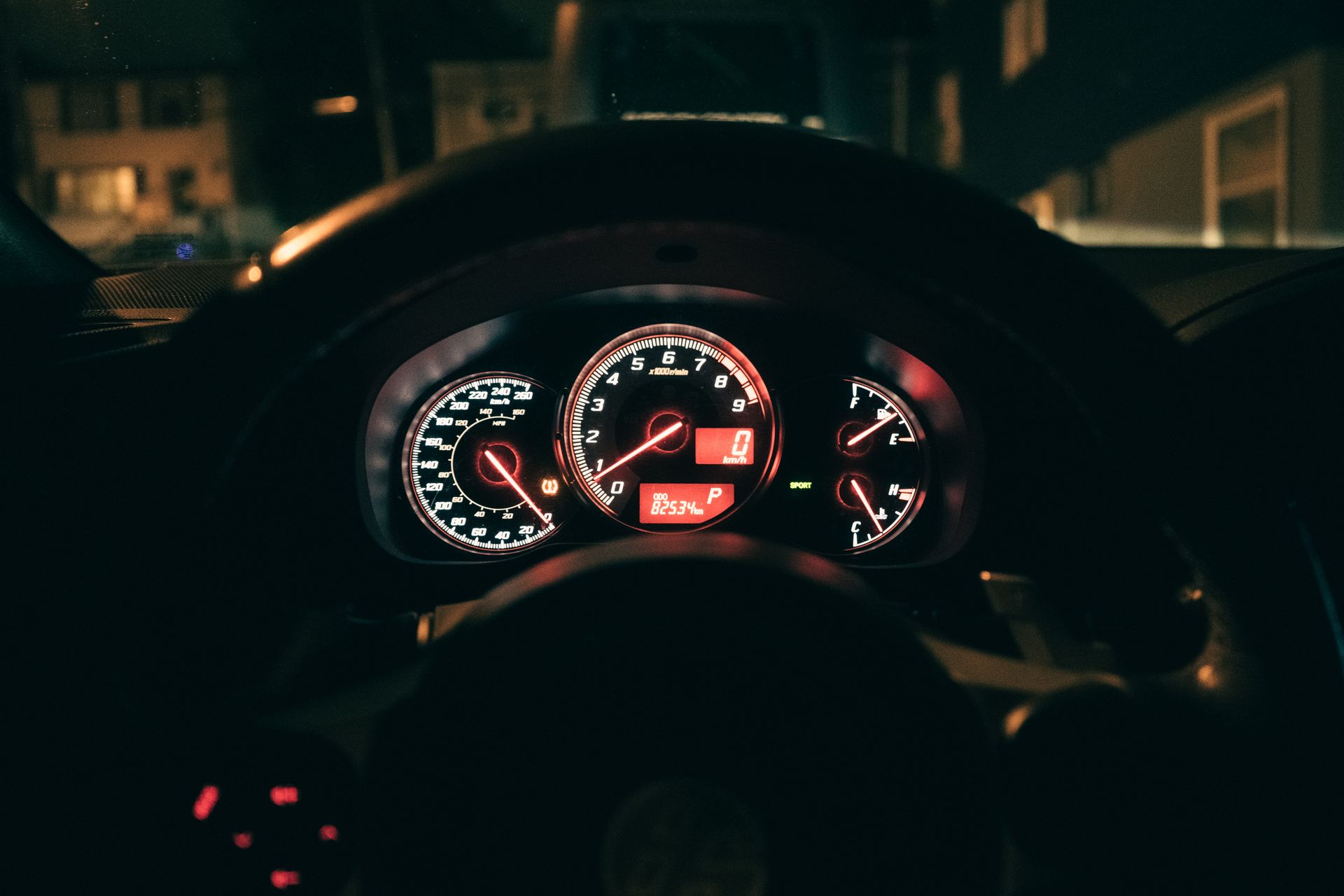
So, what is car tuning, really?
If you've ever wondered whether your car could feel a bit more responsive, use less fuel, or simply drive the way it should have from the factory, this guide is for you. We'll walk through everything UK drivers ask us about car tuning and ECU remapping, in plain English, with no sales talk.
What is car tuning?
Let's start simple. Car tuning just means changing something about your car so it performs differently, whether that's more power, better fuel use, sharper handling, or a different sound. It can be as small as a software tweak or as involved as swapping out parts.
Here in the UK, when people say "car tuning" they usually mean performance tuning done through the engine's software. But the term covers a lot more than that, including:
- Exhaust system upgrades
- Air intake modifications
- Suspension and handling changes
- Turbocharger or intercooler upgrades
- Transmission tuning
Modern car tuning is largely digital. Almost every engine built since the late 1990s is controlled by an ECU, so vehicle tuning today usually starts with software rather than a spanner.
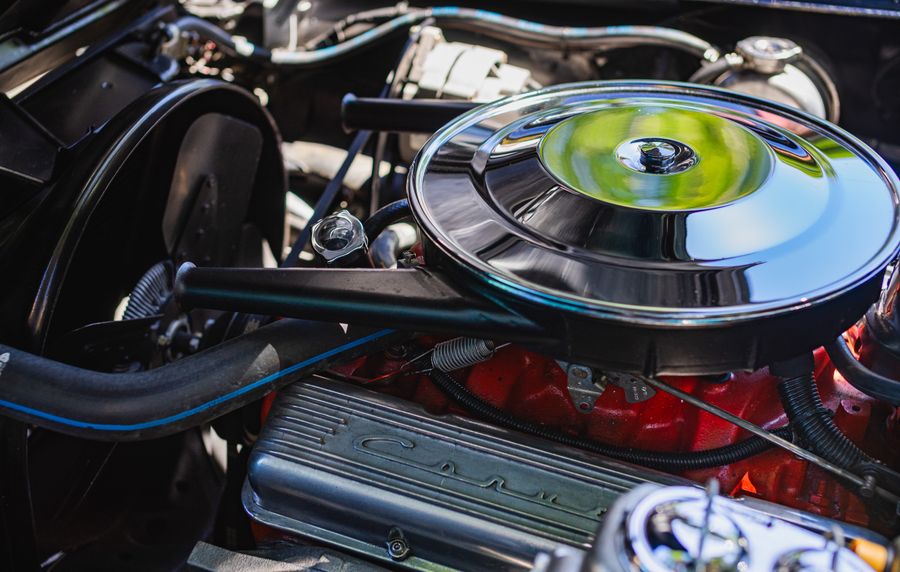 Under the bonnet
What is ECU remapping?
ECU remapping is the process of altering the software inside a car's engine control unit to change parameters such as fuel delivery, turbo boost pressure, ignition timing and torque limits.
The ECU (Engine Control Unit) is essentially the engine's onboard computer. It constantly reads data from sensors around the engine and makes thousands of micro-adjustments every second to control how the engine runs.
Manufacturers set these parameters conservatively. Factory maps have to work across a huge range of conditions: extreme heat, poor fuel quality, high altitude, short warranty periods and drivers who never service their car on time. This means most engines are tuned well below their true mechanical potential from the factory.
Remapping adjusts these settings within the engine's physical limits, allowing it to produce more power, more torque, or run more efficiently, depending on what the remap is designed to achieve.
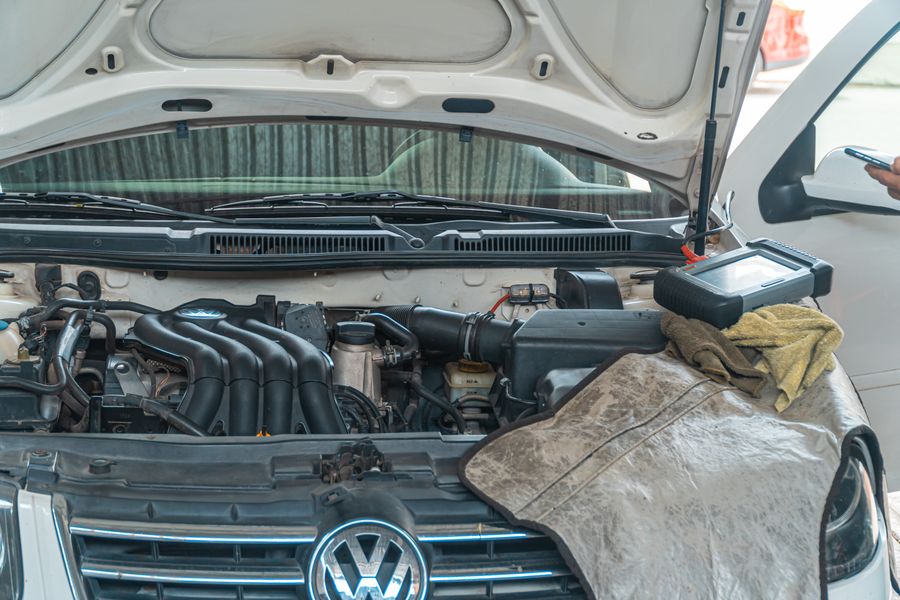 ECU diagnostics
How does ECU remapping actually work?
A remap is carried out by connecting a laptop to the car's diagnostic port, or in some cases directly to the ECU itself. The technician reads the existing software, then uploads a modified file with adjusted parameters.
A professional remap typically adjusts:
- Fuel maps — how much fuel is injected at a given throttle position and RPM
- Boost pressure — how hard the turbocharger works, on turbocharged engines
- Ignition timing — when the spark plug fires in relation to piston position
- Torque limiters — software caps the manufacturer applies, often for gearbox protection
Each vehicle has a unique base map. A skilled tuner does not simply apply a generic file; they consider the specific engine, gearbox, mileage, condition and intended use of the car before writing or selecting a map.
Ask any tuner whether the map is a bespoke file built or adjusted for your exact vehicle, or a generic off-the-shelf file. This single question separates a reputable operation from a corner-cutting one.
Is ECU remapping safe?
Yes, when carried out correctly by a qualified and experienced tuner, on a vehicle in good mechanical condition, ECU remapping is safe. The risk comes from poor-quality tuning, not from the concept of remapping itself.
A safe remap respects the mechanical limits of the engine, gearbox and clutch. It does not push boost, fuel or torque beyond what the components can reliably handle.
Remapping carries more risk when:
- The car has an unresolved fault or worn component
- The map is generic rather than vehicle-specific
- The tuner has no rolling road or diagnostic verification process
- Servicing has been neglected, particularly oil changes
A reputable tuning company will check the vehicle's service history and run diagnostics before touching the ECU. If a fault code is present, it should be resolved first.
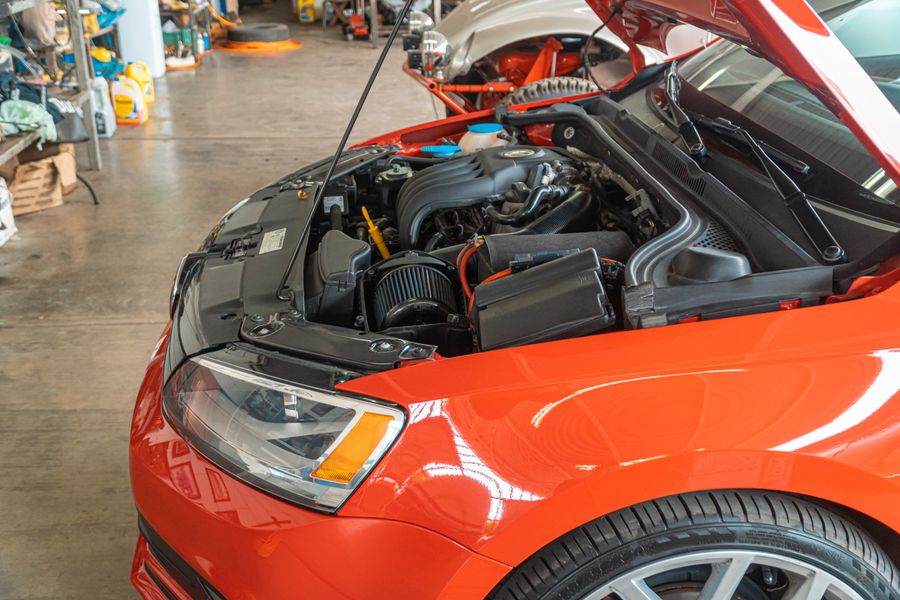 Pre-tune inspection
Does ECU remapping improve fuel economy?
Remapping can improve fuel efficiency, but the result depends heavily on driving style and the type of map used.
An economy-focused remap adjusts fuel delivery and gear-shift points (where applicable) to reduce consumption during normal, steady driving. Many drivers see a genuine improvement here, particularly on diesel engines driven mostly on motorways.
A performance-focused remap, on the other hand, is less likely to reduce fuel consumption. More power available under the right foot often means more power used. If the driver uses that extra performance regularly, fuel economy is unlikely to improve and may fall slightly.
In practical terms:
- Motorway driving with a light throttle tends to benefit most from efficiency gains
- Stop-start urban driving sees smaller, less consistent improvements
- Aggressive driving after a performance remap generally increases fuel use
Engine optimisation through remapping works best when the map is matched to the driver's actual usage, not a generic promise of better economy.
Does remapping increase horsepower?
Yes, remapping increases horsepower and torque on the vast majority of turbocharged petrol and diesel engines, because these engines are deliberately under-tuned from the factory to allow for a global range of operating conditions.
Naturally aspirated (non-turbo) engines see much smaller gains from remapping, since there is less "headroom" built into the factory settings without forced induction.
Gains vary by engine, but the underlying principle is consistent: the ECU is told to allow more fuel, more boost, and more advanced ignition timing, within limits the engine can safely tolerate.
It's worth noting that any figure quoted by a tuner before they have seen your specific car is an estimate. Genuine gains should be confirmed on a rolling road, not just claimed on a website.
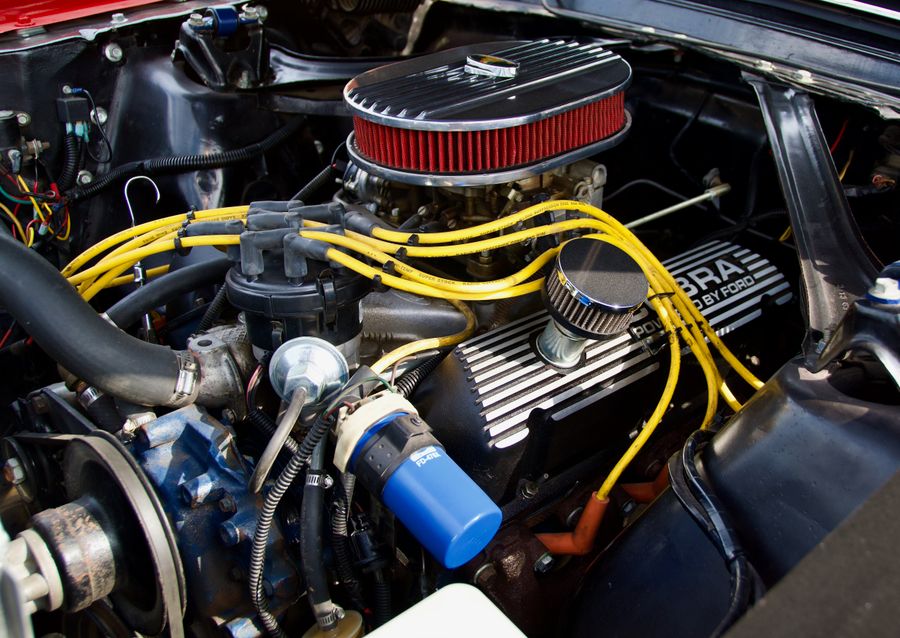 Turbo performance engine
Is car tuning legal in the UK?
Car tuning itself is legal in the UK. There is no law against remapping an engine's software. However, several legal responsibilities fall on the owner once a car has been modified.
- Insurance — you are legally required to declare performance modifications to your insurer
- MOT — the car must still pass its MOT, including emissions testing
- Emissions — the vehicle must remain within legal emissions limits for its type
- Road use — the car must remain safe and roadworthy at all times
Failing to declare a remap to your insurer is not a car tuning law issue as such, but it is a contract issue that can invalidate your cover. This is the single most important legal point for UK drivers to understand.
Will ECU remapping affect my insurance?
Yes. A remap is classed as a performance modification, and UK insurers require you to declare it. Not declaring a remap can lead to a claim being reduced or refused entirely, even if the accident had nothing to do with the modification.
What typically happens after declaring a remap:
- Some insurers ask for further details or a specialist policy
- Premiums may increase, particularly for high-mileage gains or newer drivers
- A small number of insurers may decline to cover heavily modified vehicles
Contact your insurer before booking a remap, not after. Ask specifically how a Stage 1 or Stage 2 remap would affect your premium. This avoids any gap in genuine cover.
Can tuning damage an engine?
Poor-quality tuning can damage an engine. Well-executed tuning, matched to the engine's mechanical capability, is designed to avoid this.
The risk of damage increases when:
- Boost or fuel levels are pushed beyond what internal components can handle
- A generic map is applied without accounting for the vehicle's condition
- Supporting modifications, such as an upgraded intercooler, are needed but not fitted
- The car already has worn components, such as a tired clutch or ageing DPF
This is why reputable tuners talk about "safe" and "supportable" limits rather than maximum theoretical output. An engine remapped conservatively, with parameters within its mechanical tolerance, is not being pushed toward failure.
Regular maintenance becomes more important after any performance tuning. Oil changes, in particular, should follow a slightly shorter interval than the standard schedule if the car is driven hard.
ECU remapping vs chip tuning: what's the difference?
These terms are often used interchangeably, but they describe different eras of car tuning.
| Aspect | ECU remapping | Chip tuning |
|---|---|---|
| Method | Software is read and rewritten via the diagnostic port or bench connection | A physical chip inside the ECU was replaced or modified |
| Era | Standard method since the early 2000s | Common in the 1990s and early 2000s |
| Reversibility | Fully reversible; original file can be restored | Often required physical replacement to reverse |
| Precision | Highly tailored to individual vehicles and conditions | Limited by the fixed chip's programming |
"Chip tuning" is a legacy term from when engine software was stored on a physical chip that had to be removed and reprogrammed or swapped. Nearly all modern car tuning is done through software remapping rather than physical chips, but the older phrase has stuck around in everyday conversation.
Stage 1 vs Stage 2 remap
Stage 1 and Stage 2 are the most common terms in UK vehicle tuning, and they refer to how much the vehicle has been modified before and during the remap.
Software only
- Works within the car's standard hardware
- No physical parts are changed
- Fully reversible
- Lower risk — stays within factory-supported limits
- The most common starting point in UK car tuning
Software + hardware
- Paired with supporting hardware, e.g. intake, exhaust, intercooler
- Offers greater performance gains than Stage 1
- Needs a tuner who knows exactly which supporting parts the engine needs
- Not reversible in the same simple way, since hardware has changed
Practical example: A turbocharged 2.0-litre diesel hatchback might see a solid, safe improvement in power and torque at Stage 1 using only software. To go further at Stage 2, that same car would typically need a higher-flow intercooler and exhaust to cope with the increased airflow and heat.
There is no "Stage 3" standard definition across the industry; where the term is used, it usually refers to more extensive modifications such as forged internals, larger turbos, or aftermarket fuelling systems, which sit well beyond typical road car tuning.
Petrol vs diesel remapping
Petrol and diesel engines respond differently to remapping because they operate on fundamentally different combustion principles.
Diesel engines generally see larger torque gains from remapping. Diesels run higher compression ratios and rely on precise fuel injection timing, and factory diesel maps tend to be conservative on both fuelling and boost. This gives tuners more room to work with, particularly on turbocharged diesels.
Petrol engines, especially modern turbocharged units, also respond well to remapping, though the gains are often more focused on power than outright torque. Naturally aspirated petrol engines see the smallest gains of any engine type, since there's no turbocharger to work with.
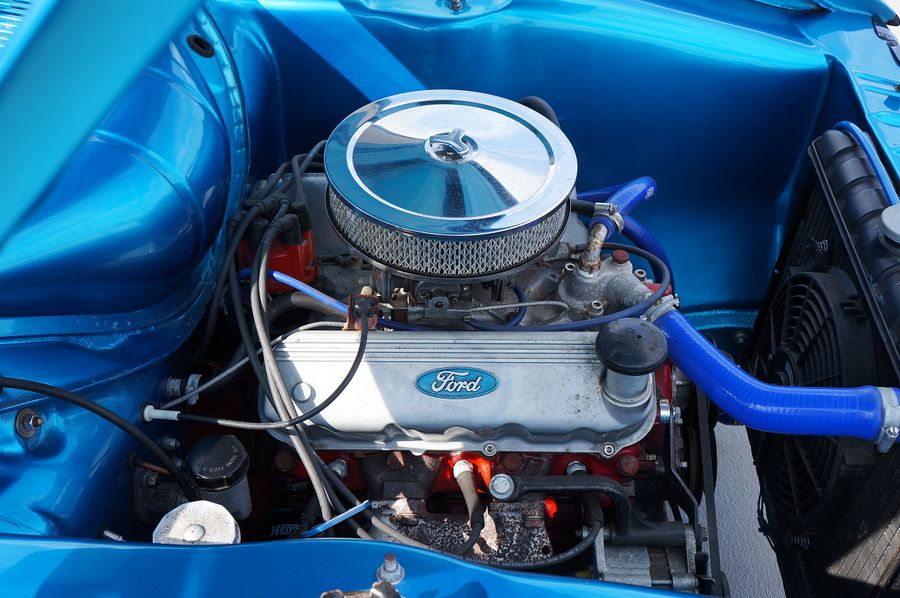 Turbo petrol unit
| Engine type | Typical gains | Primary focus |
|---|---|---|
| Turbo diesel | Strong torque increase | Torque, fuel efficiency |
| Turbo petrol | Solid power and torque increase | Power, throttle response |
| Naturally aspirated petrol | Modest gains | Throttle response, minor power |
Can modern turbo cars be tuned?
Yes. In fact, modern turbocharged engines are generally the best candidates for remapping. Manufacturers increasingly use smaller turbocharged engines to meet emissions targets, and these engines are typically tuned conservatively from the factory to protect components across a wide range of markets and driving conditions.
Modern engines also come with more sophisticated ECUs, which allow for more precise and controlled adjustments than older systems. This means a well-executed remap on a current turbocharged petrol or diesel engine can be both effective and carefully controlled within safe parameters.
Newer cars with advanced driver assistance systems and hybrid components require a tuner with up-to-date knowledge of that specific platform. Not every tuning company has current software support for the newest models, so it's worth asking directly.
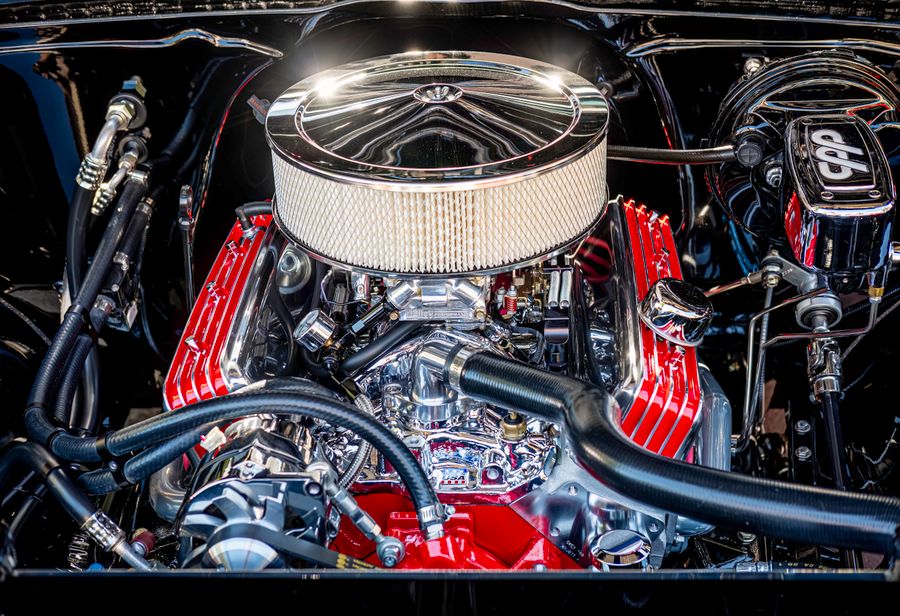 Modern engine bay
Common myths about ECU remapping
Remapping always ruins fuel economy.Not accurate. Economy-focused remaps are specifically designed to reduce consumption, and even performance remaps don't automatically increase fuel use if driving style stays the same.
Remapping instantly voids your entire warranty.Under UK and EU consumer protection principles, a manufacturer must prove that a specific fault was directly caused by the remap before refusing a warranty claim unrelated to it. That said, many manufacturers will decline to cover engine or drivetrain related claims on a remapped car, so this is a genuine consideration, not a myth to dismiss.
All remaps are the same, regardless of who does it.Generic, mass-produced files and bespoke, vehicle-specific maps can produce very different results, both in performance and in safety margins.
Tuning is only for petrolheads chasing lap times.Many UK drivers choose tuning specifically for improved motorway efficiency, better towing response, or smoother throttle response in daily driving, not outright speed.
You can't tell if a remap has been done badly.Poor tuning often shows up as rough idling, inconsistent power delivery, warning lights, or increased fuel consumption. A quality remap should feel smoother, not more erratic.
Signs your car may benefit from tuning
Not every car needs tuning, but certain patterns suggest a remap could be worthwhile.
- Throttle response feels delayed or inconsistent, particularly on turbocharged engines
- The car feels underpowered for regular motorway overtaking or towing
- Factory power output is noticeably lower than similar engines in other models
- Fuel consumption feels higher than expected for your driving style
- You're planning to keep the car long-term and want more from daily driving, without hardware changes
If your car has an active fault code, unresolved mechanical issue, or is due a service, address these first. Remapping a car with an underlying problem won't fix that problem, and can make diagnosis harder afterwards.
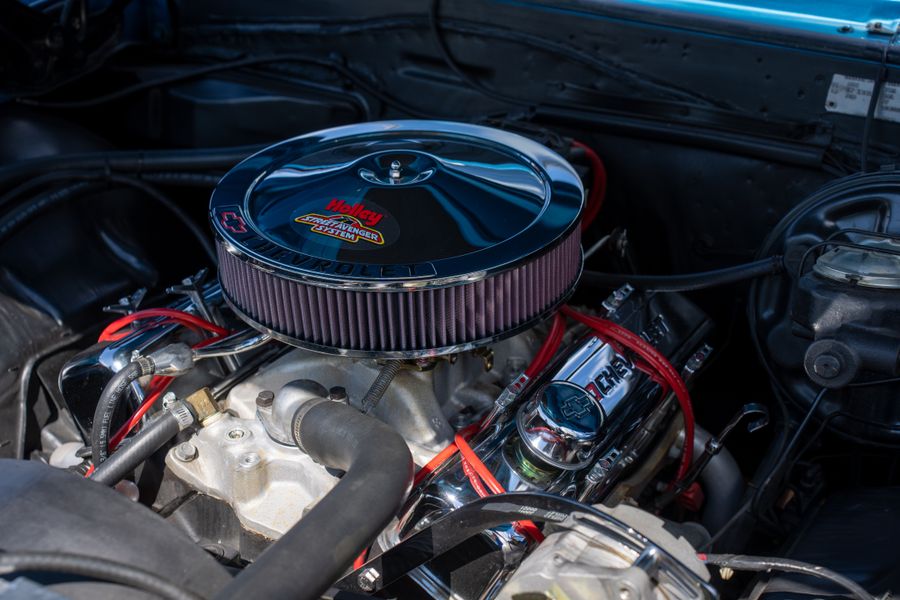 Performance air intake
Common mistakes to avoid
Choosing a tuner on price alone. The cheapest option is often the one using generic files with no vehicle-specific calibration.
Skipping the pre-tune health check. A car with worn components or existing faults should be assessed before any remap.
Not declaring the remap to your insurer. This can compromise your cover regardless of how well the tuning was carried out.
Ignoring maintenance afterwards. Oil quality and change intervals matter more once an engine is working harder.
Assuming Stage 2 gains without Stage 2 hardware. Software alone cannot deliver hardware-dependent results.
Not asking for before-and-after data. A rolling road printout showing power and torque gains is a mark of a transparent tuning company.
Frequently asked questions
The questions UK drivers ask us most often about car tuning and ECU remapping.
Car tuning is adjusting a vehicle's engine software or hardware to change how it performs, most commonly through ECU remapping today.
A typical Stage 1 remap takes around one to two hours, though this varies by vehicle and ECU type.
Yes, a standard software remap can usually be reverted to the original factory file at any time.
A remap does not automatically cause an MOT failure, but the car must still meet legal emissions limits during testing.
It can be, particularly on older turbo diesels with conservative factory tuning, but a full mechanical check beforehand is essential given age-related wear.
Electric vehicles don't have a traditional ECU-controlled combustion engine, so conventional remapping doesn't apply, though some EV-specific software tuning exists for different purposes.
Standard vehicle history checks don't typically log ECU remaps directly, but insurers and future buyers may ask about modification history separately.
A well-calibrated remap should not interfere with DPF regeneration cycles, but poor tuning can disrupt them, so this should be discussed with your tuner beforehand.
Many manufacturers can identify a remap through ECU software logs during a dealer diagnostic check.
Yes, Stage 1 remaps are commonly used on daily-driven cars, as they work within the vehicle's standard hardware limits.
On cars with automatic or dual-clutch gearboxes, some remaps also adjust shift points and torque limiters, so gearbox-specific calibration matters.
Look for vehicle-specific mapping, rolling road verification, transparent before-and-after data, and clear communication about what the remap does and does not change.
Car tuning done properly
Car tuning, and ECU remapping in particular, is a legitimate, well-understood way to get more from a vehicle's engine, whether the goal is stronger performance, smoother throttle response, or better real-world fuel efficiency. It is legal, and when carried out by a competent tuner on a mechanically sound car, it is a safe and predictable process.
The outcome depends entirely on the quality of the work behind it. A vehicle-specific map, proper diagnostic checks, and honest advice about what your particular car can safely handle make the difference between a worthwhile upgrade and an unnecessary risk.
If you're considering tuning your car, start with an honest conversation about your engine, your driving habits, and what you actually want from the upgrade. A good tuner will tell you just as readily what your car doesn't need as what it does.

Let's talk about what your car actually needs
Get in touch with our team to discuss what a professional, vehicle-specific remap could realistically achieve for your car.
