Stage 1 vs Stage 2 Remap: What's the Difference and Which One Does Your Car Need?
The Stage 1 vs Stage 2 remap decision decides how your car feels every day. Here is how each stage works, what hardware it needs, and how to choose the one that suits your car and the way you drive.
Most modern cars leave the factory with performance held in reserve. Manufacturers calibrate one engine to cope with poor fuel, extreme climates, lazy servicing and dozens of global emissions rules.
As a result, the engine you drive every day is rarely working at its real potential. An ECU remap is one of the most effective ways to unlock that hidden performance. It sharpens throttle response, fills out the mid-range and makes overtaking feel effortless. However, the stage you choose matters just as much as the decision to tune in the first place.
The Stage 1 vs Stage 2 remap question comes up in our workshop every week. Get it right and the car feels transformed yet completely composed. Get it wrong and you end up with a calibration your hardware simply cannot support.
At Car Tuning Service, we write bespoke engine calibrations for drivers across the country. In this guide, we explain exactly how each stage works, what hardware it needs, and how to decide which suits your car and the way you drive.
What Is a Stage 1 Remap? (Software-Only Power)
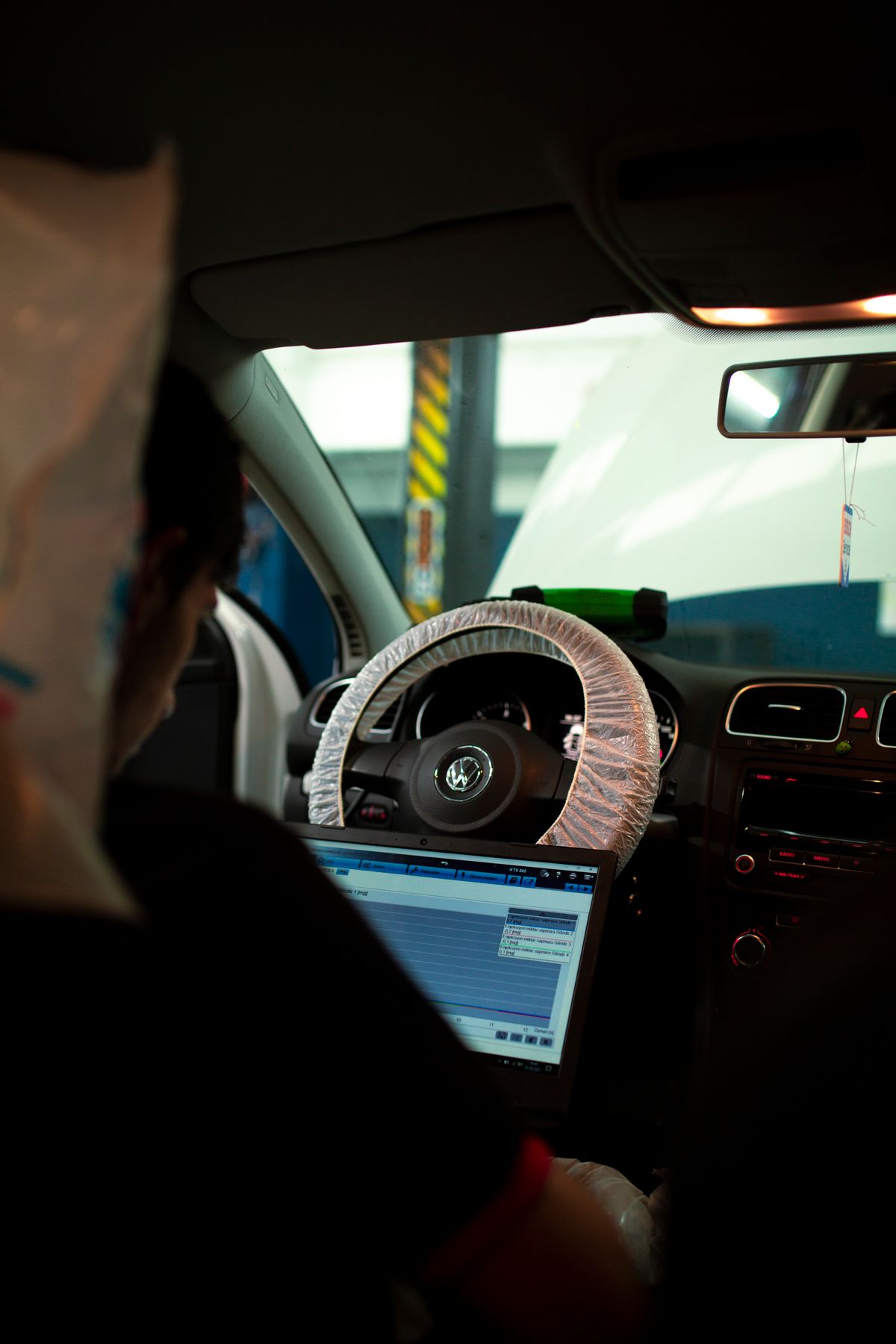
A Stage 1 remap is a software change made to an otherwise standard car. No parts are swapped, and nothing is bolted on. Instead, the tuner reads the original file from the engine control unit (ECU), then adjusts the parameters that govern how the engine breathes and fuels.

How Stage 1 works on stock hardware
A skilled calibrator refines a handful of key maps rather than simply turning everything up. Typical adjustments include:
Staying inside factory tolerances
Every standard component has a safety margin built in by the manufacturer. A responsible Stage 1 map works inside that margin, not beyond it. Turbo speed, exhaust gas temperature and clutch torque capacity all stay within limits the original parts were designed to handle.
This is the key difference between professional ECU remapping UK drivers can trust and a generic file pulled from the internet. A bespoke map takes your specific engine, its health and its fuel into account.
Who Stage 1 suits
Stage 1 is the natural choice for most daily drivers. It suits you if you want:

- Sharper throttle response in town traffic
- Stronger mid-range pull for motorway joins and overtakes
- Easier towing with a caravan or trailer
- A car that feels the same in character, only more capable
On many turbo diesel and turbo petrol engines, the improvement is immediately noticeable. Furthermore, because the car stays mechanically standard, the remap can usually be returned to the original file if you ever need it.
What Is a Stage 2 Remap? (Hardware and Custom Calibration)
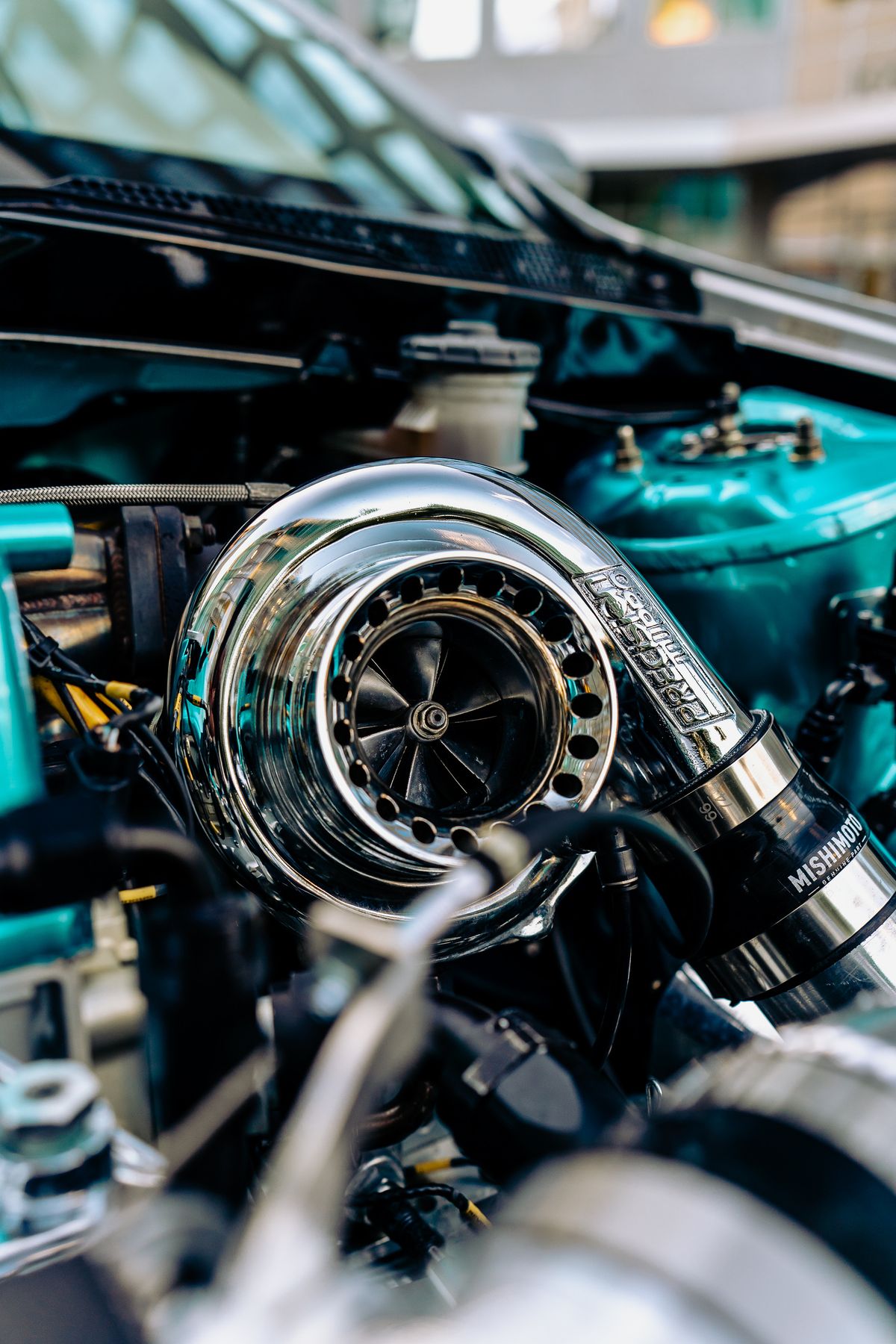
A Stage 2 remap pairs more aggressive software with supporting hardware upgrades. The reason is simple: once you go past Stage 1, the factory parts become the limiting factor. Air can't get in fast enough, heat builds up, or exhaust gases can't get out freely.
The supporting hardware
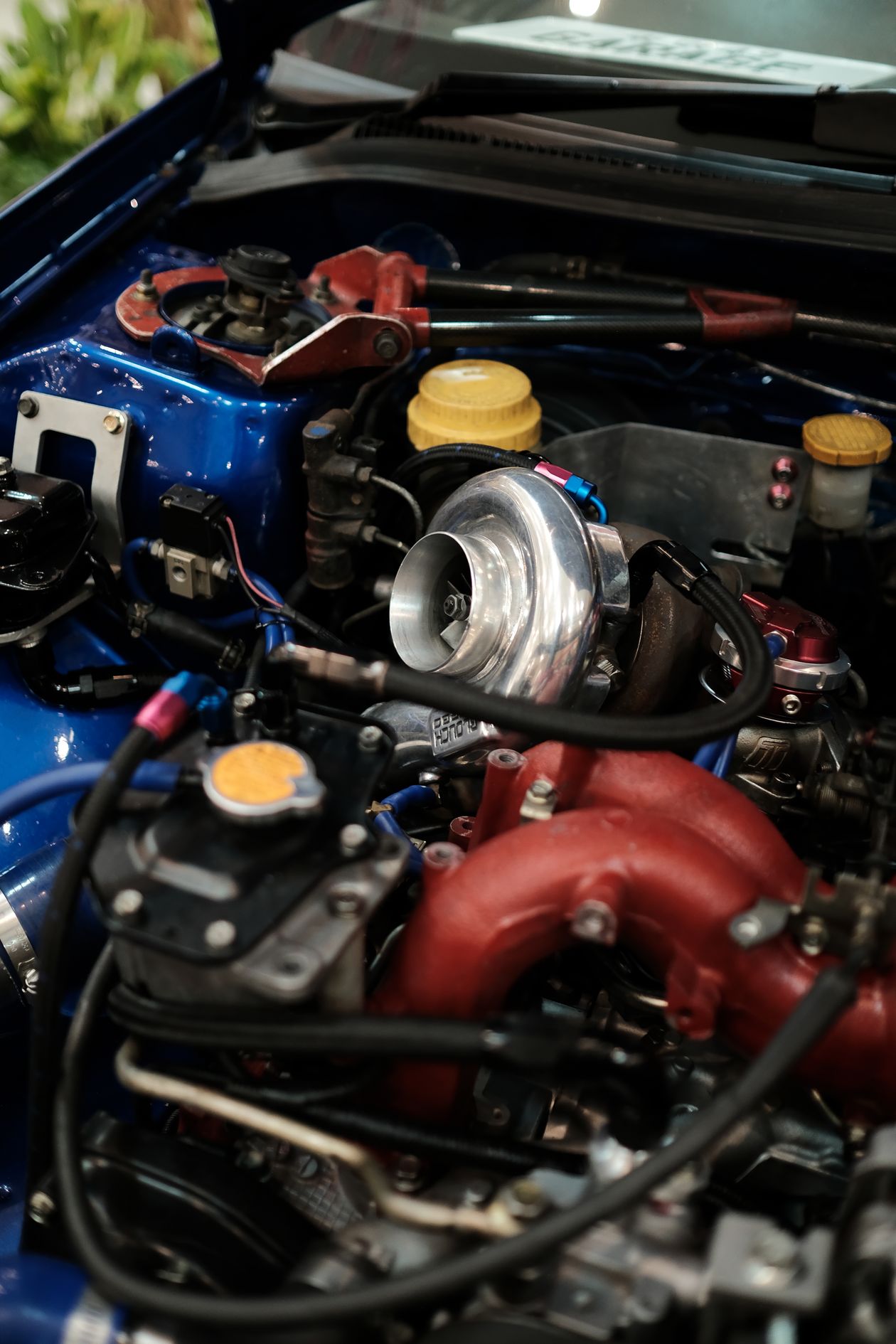
In any Stage 1 vs Stage 2 remap comparison, hardware is the dividing line. The exact parts list depends on the engine, but a typical Stage 2 build includes some or all of the following:
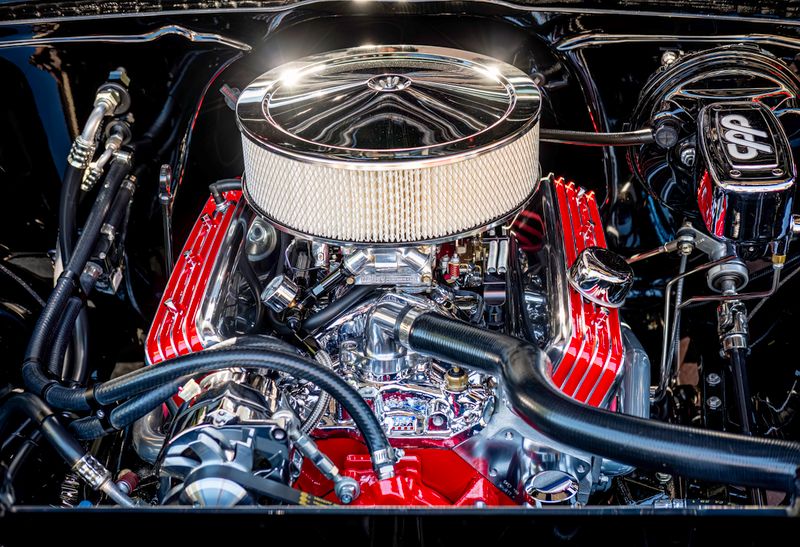 Uprated intercooler
A larger core keeps charge air cooler and more consistent, especially during repeated hard acceleration. Cooler air is denser, safer and makes more power.
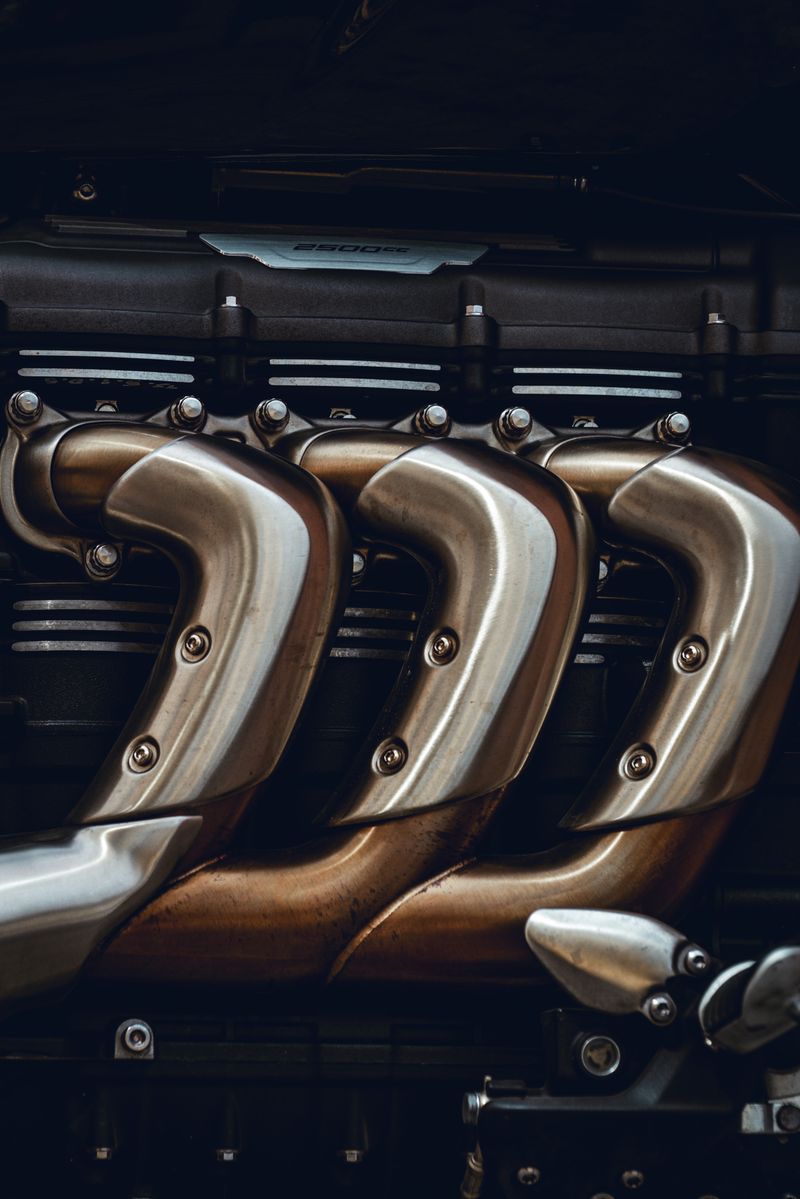 Performance downpipe
This replaces the restrictive section directly after the turbo. Lower back pressure helps the turbo spool faster and reduces exhaust gas temperatures.
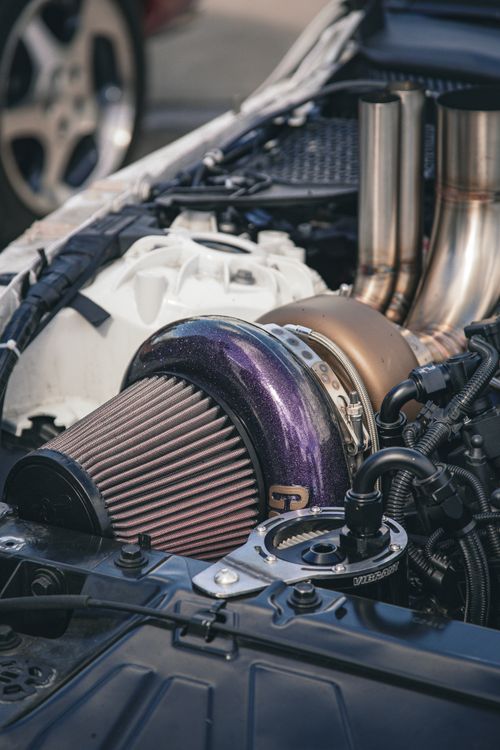
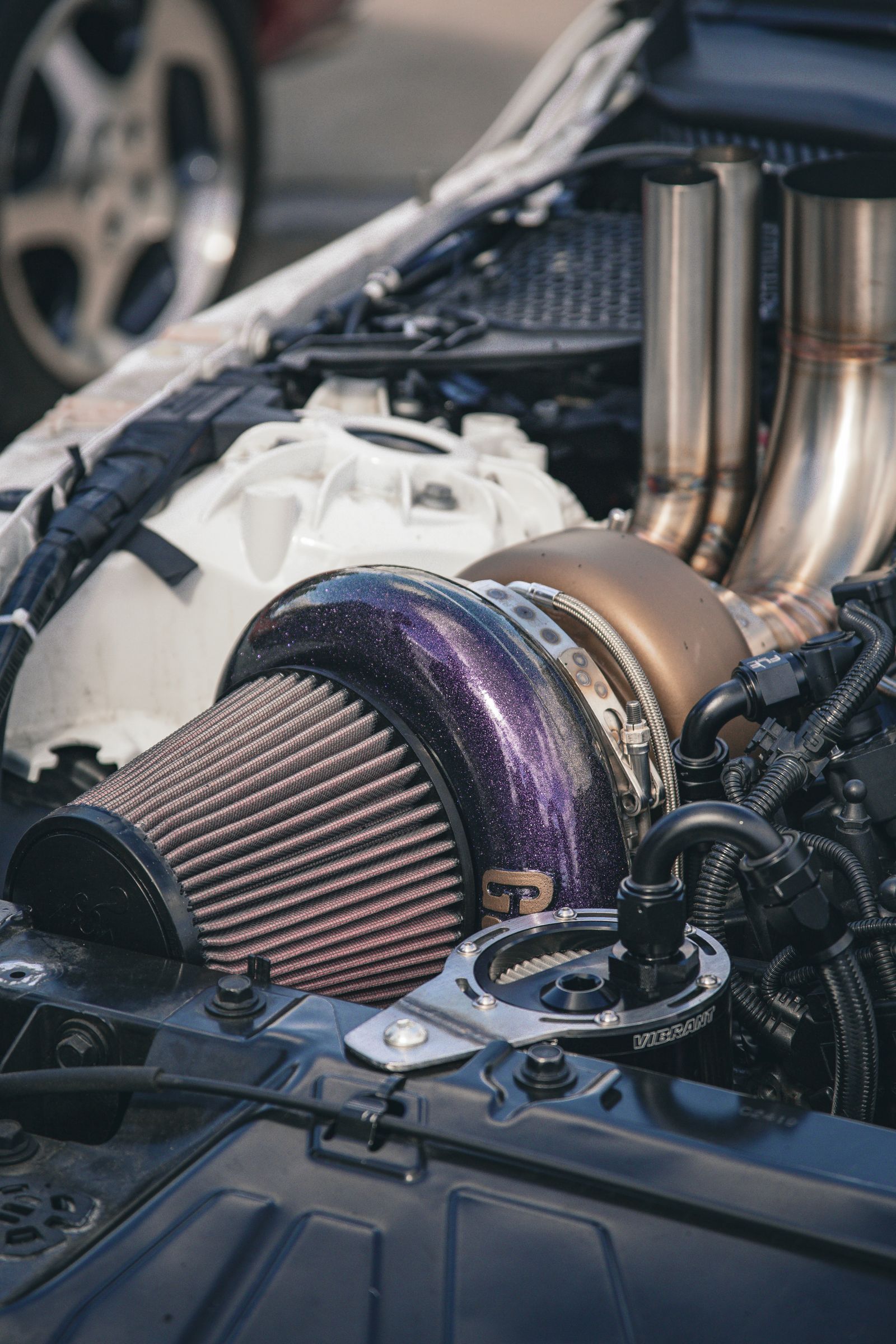
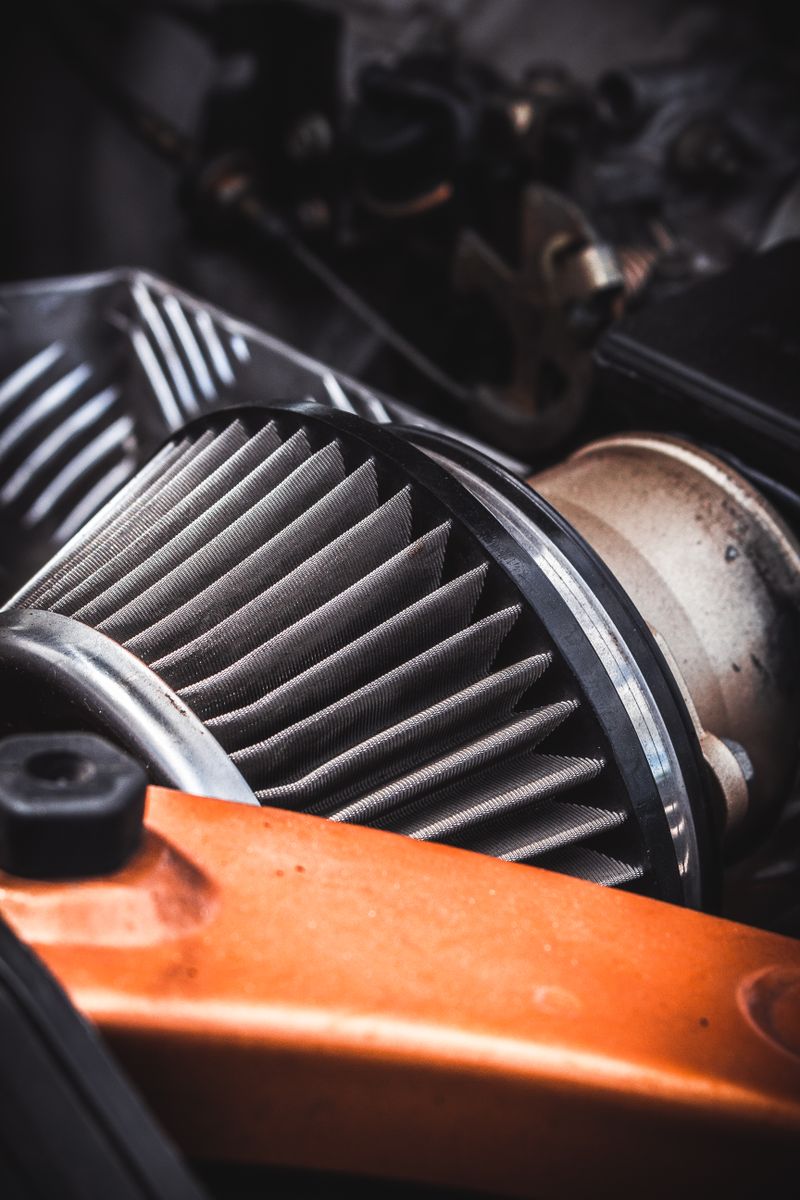 Induction kit or high-flow intake
Improved airflow into the turbo means it doesn't have to work as hard to hit its boost target.
 Uprated clutch
On manual cars, the extra torque often exceeds what the standard clutch can hold.
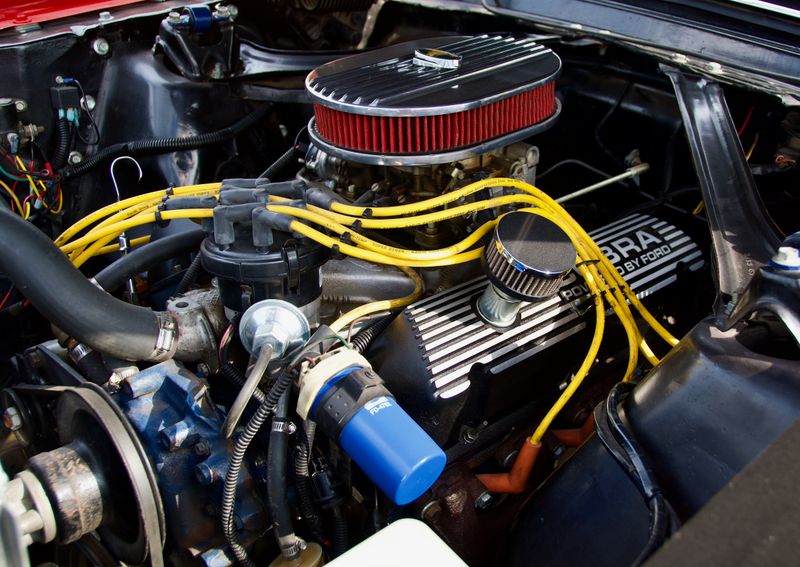 Fuel pump or injector upgrades
Required on some petrol engines to supply enough fuel safely at higher output.
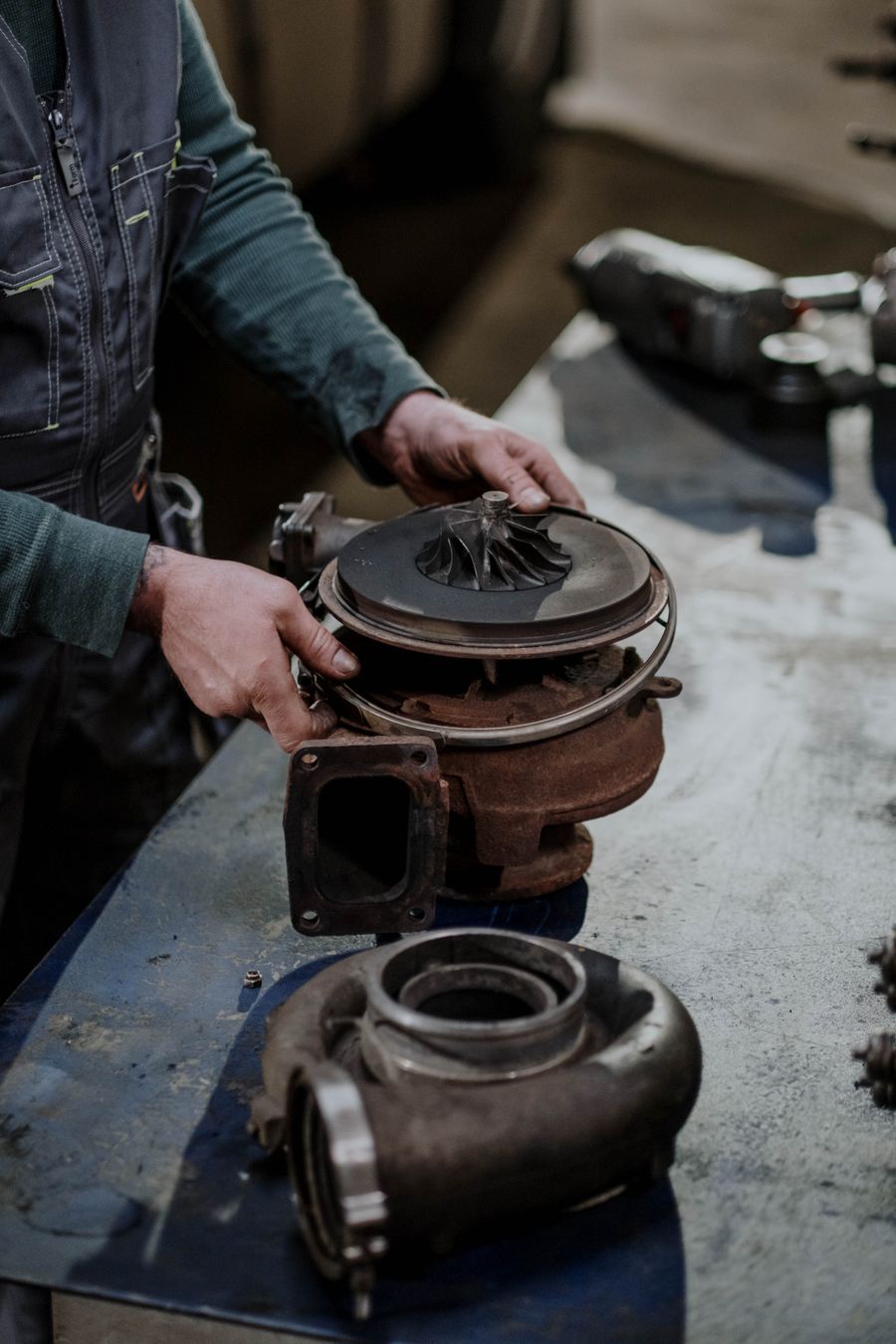
One important note on downpipes: removing or altering emissions equipment can affect your MOT and road legality in the UK. A reputable tuner will talk you through compliant options before any work begins.
Why the software must be custom-written
Bolting on parts without changing the software rarely helps much, and sometimes it causes faults. The ECU still expects factory airflow and exhaust flow, so it can't take advantage of the new hardware.
That is why a proper Stage 2 calibration is written around your exact build. The tuner logs live data, including boost, air temperatures, fuel pressure and timing, then refines the map until every component is working together. Two cars with the same engine but different parts should never run the same Stage 2 file.
Who Stage 2 suits
Stage 2 is aimed at enthusiasts who want a clear step in performance and are happy to invest in hardware. It suits:

- Drivers who enjoy spirited road driving or occasional track days
- Owners already planning intercooler, intake or exhaust upgrades
- Anyone who has run Stage 1 for a while and wants the next level
Stage 1 vs Stage 2 Remap: Key Differences Side-by-Side
Both stages make a car faster, but they get there in very different ways. Here is how the Stage 1 vs Stage 2 remap comparison looks on the points that matter most.
Which feels better day to day?
On the road, the Stage 1 vs Stage 2 remap difference is easy to feel.
 STAGE 1
For most commuters, Stage 1 hits the sweet spot. The car pulls harder from low revs, needs fewer downshifts and feels more alert, yet it stays just as refined in traffic.
 STAGE 2
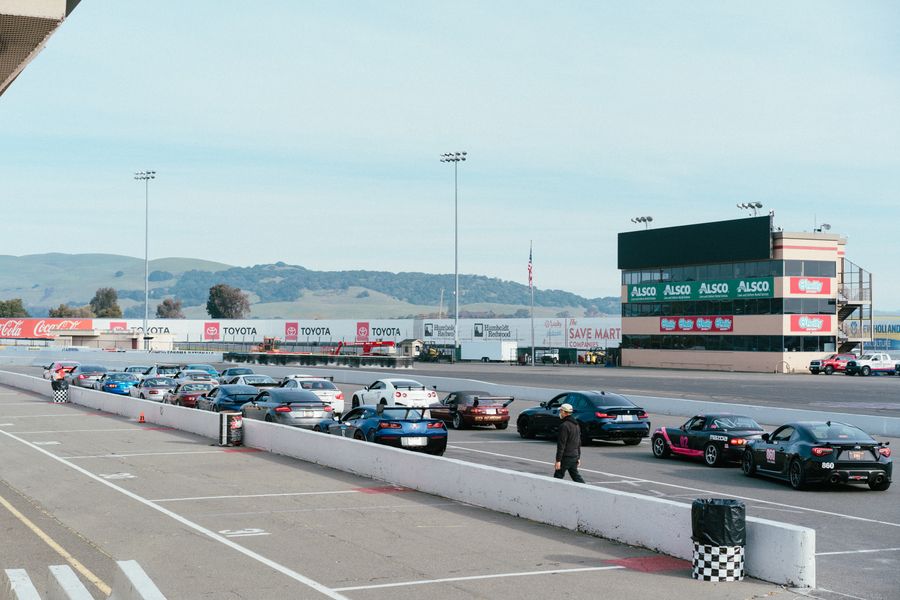
Stage 2, by contrast, is about going further. The gains are larger, and the car feels more purposeful. However, louder exhaust notes and a heavier clutch can be part of the package, so it rewards drivers who genuinely want that extra edge.
Can You Upgrade from Stage 1 to Stage 2 Later?
Yes, and for many enthusiasts it is the smartest route. Starting at Stage 1 lets you enjoy the gains straight away while you learn how the car responds. When you're ready, you can build towards Stage 2 in a planned, sensible order.

A typical upgrade path
Many drivers treat the Stage 1 vs Stage 2 remap choice as a journey rather than a single decision. A sensible route looks like this:
 Health check first
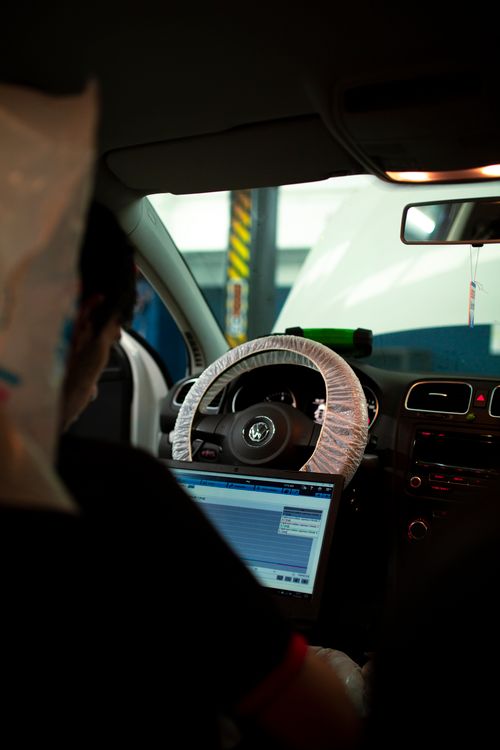
Before any tuning, the engine should be inspected and diagnostically scanned. Existing faults, worn coil packs or a tired clutch need sorting before more power goes through them.
 Stage 1 remap
A bespoke calibration on standard hardware gives you a reliable baseline and a clear sense of how the engine behaves when tuned.
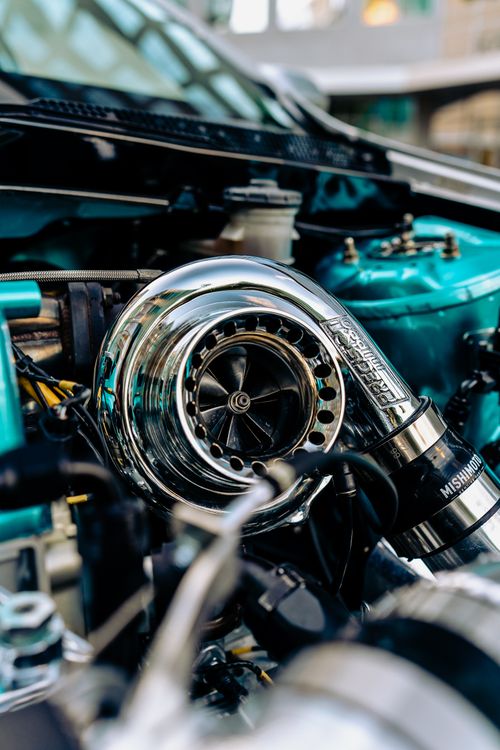
 Fit the supporting hardware
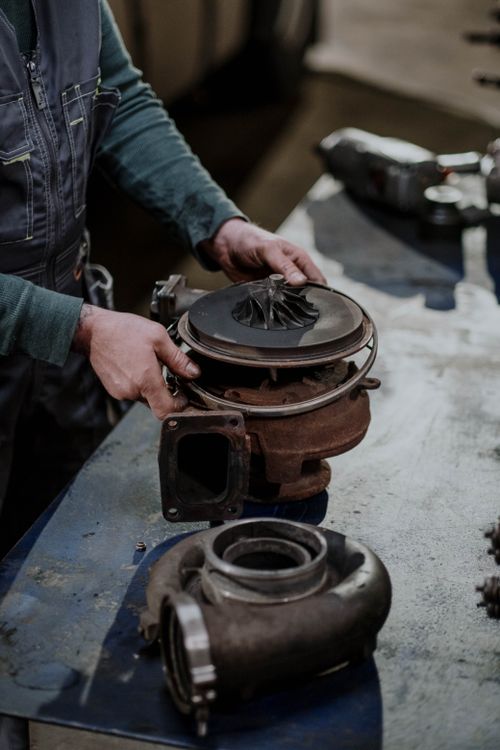
Upgrade the intercooler, intake and exhaust components recommended for your specific engine. Where needed, add an uprated clutch at the same time.
 Stage 2 calibration
The ECU is re-mapped to suit the new parts. This is not a simple file swap; it is a fresh calibration built around your hardware.
 Data logging and refinement
Live logs confirm boost, temperatures and fuelling are exactly where they should be, and the map is fine-tuned accordingly.
Avoid the common mistakes
The biggest mistake is fitting parts and leaving the Stage 1 map in place. Similarly, running a Stage 2 file before the hardware is installed puts components under stress they were never meant to handle. In short, the software and hardware should always move forward together.
Staying with the same tuner from Stage 1 onwards also helps, because they already know how your engine responds. At Car Tuning Service, we'll plan the full path with you from the first appointment.
Frequently Asked Questions
Is a Stage 1 remap safe for a daily driver?
Yes, provided it is written by a professional and the engine is in good health. A bespoke Stage 1 map keeps boost, temperatures and torque within the tolerances of the standard components. Many owners actually find the car more relaxed to drive, because it reaches the same speed with less pedal and fewer gear changes.
Can I run a Stage 2 map on a completely standard car?
No. A Stage 2 calibration assumes the extra cooling and airflow of upgraded parts. On standard hardware, intake temperatures climb, exhaust gas temperatures rise, and the turbo works outside its efficient range. That combination risks engine damage, so any reputable tuner will refuse to load one on a stock car.
Will a remap affect my engine lifespan or reliability?
A well-calibrated remap on a healthy, properly maintained engine should not shorten its life in any meaningful way. Problems usually come from aggressive generic files, existing mechanical faults or neglected servicing. To keep things reliable after tuning:
- Stick to regular oil changes with the correct specification of oil
- Let the engine warm up before using full power
- Allow turbocharged engines a short cool-down after hard driving
- Use good-quality fuel, particularly on petrol engines
How do I know which stage is right for my vehicle?
Start with how you use the car. If it is mainly for commuting, family duties or towing, Stage 1 almost always makes the most sense. If you enjoy performance driving and are prepared to fit supporting parts, Stage 2 is worth considering. The engine itself matters too, since some respond far better to tuning than others. The simplest step is to check your vehicle on the Car Tuning Service website and talk to a specialist about your goals.
Conclusion: Choose the Stage That Fits How You Drive
The Stage 1 vs Stage 2 remap decision comes down to your goals and your hardware. Stage 1 delivers a sharper, stronger and more responsive car on completely standard parts, which makes it ideal for everyday driving. Stage 2 goes further, but only works properly when the right supporting upgrades and a custom calibration are in place.
Whichever side of the Stage 1 vs Stage 2 remap debate you land on, the quality of the calibration is what makes the difference. A bespoke map written for your engine will always outperform a generic file, both in how it drives and in how long it lasts.
Ready to find out what your car is capable of?
Visit Car Tuning Service to check your vehicle's compatibility, explore our ECU remapping UK services and book a professional custom remap with a specialist who understands your engine.